The Story
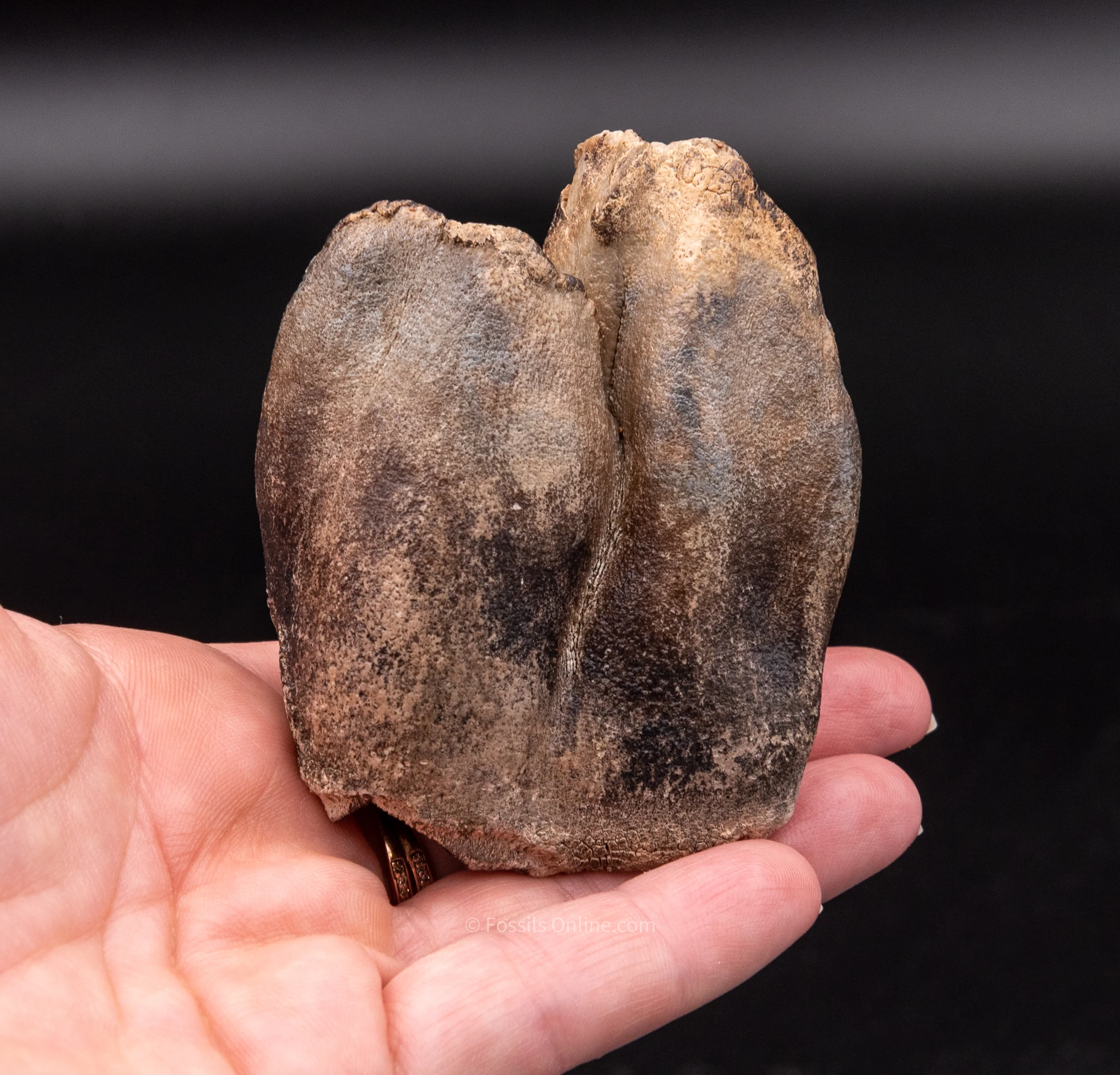
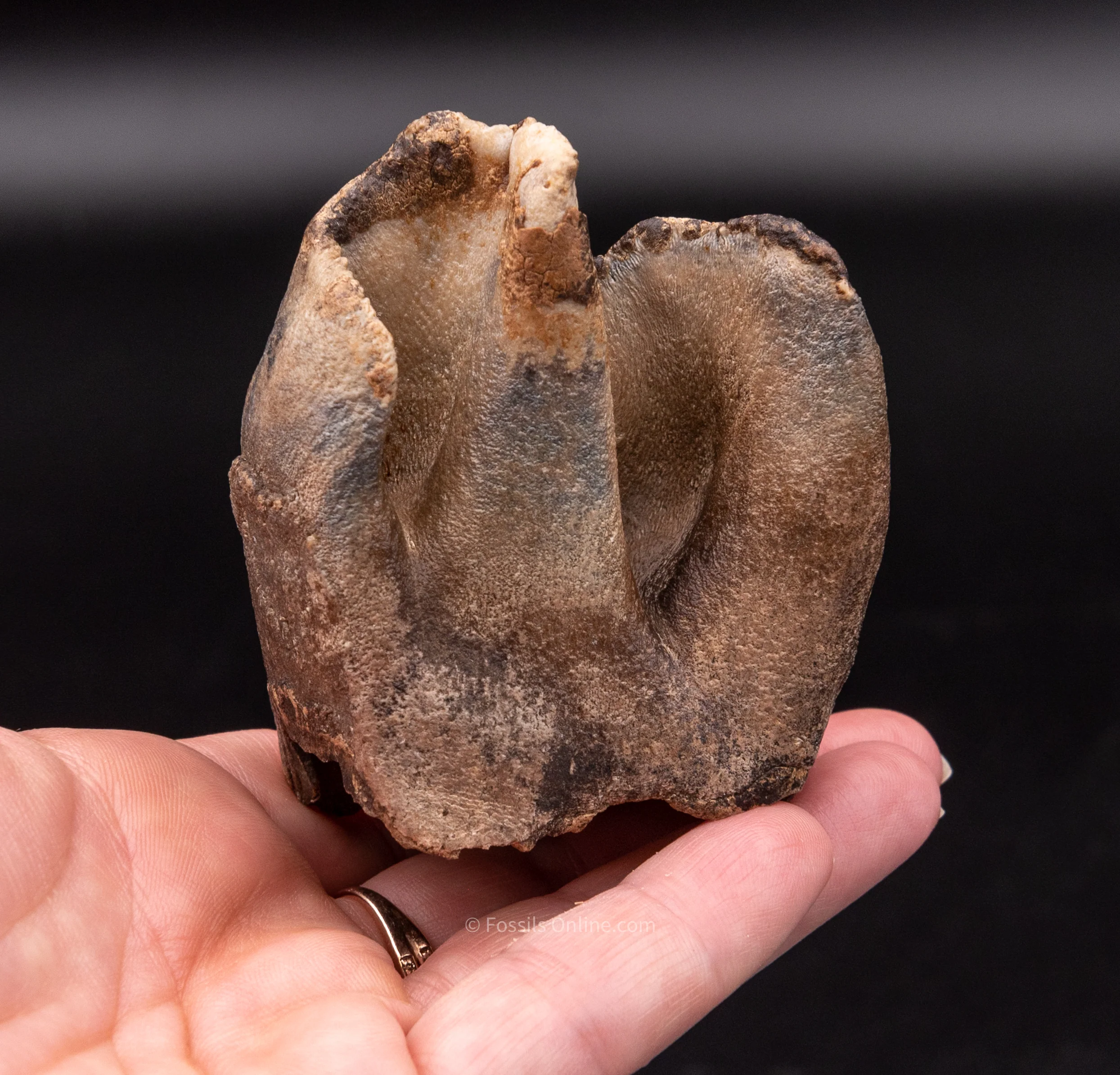
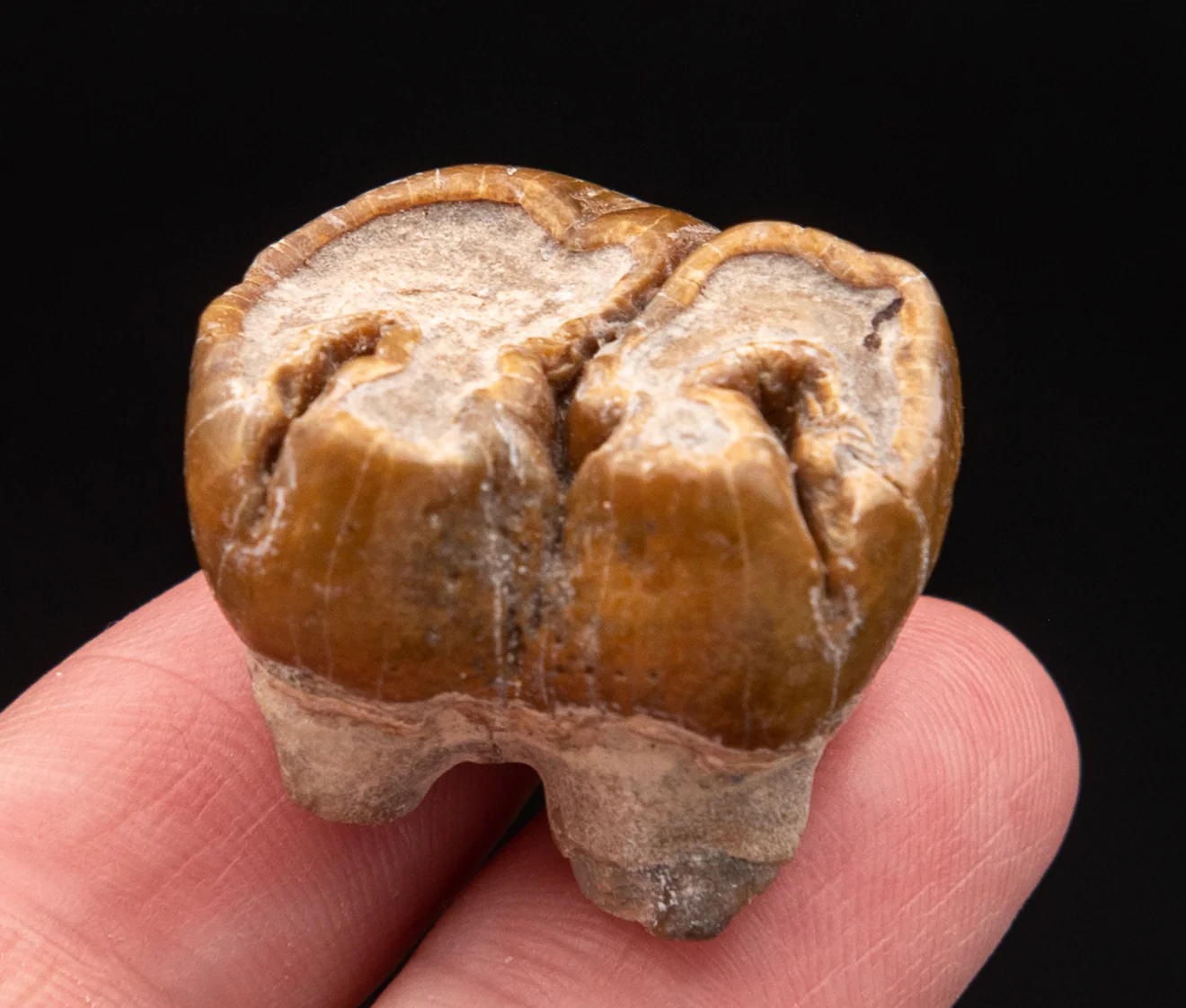
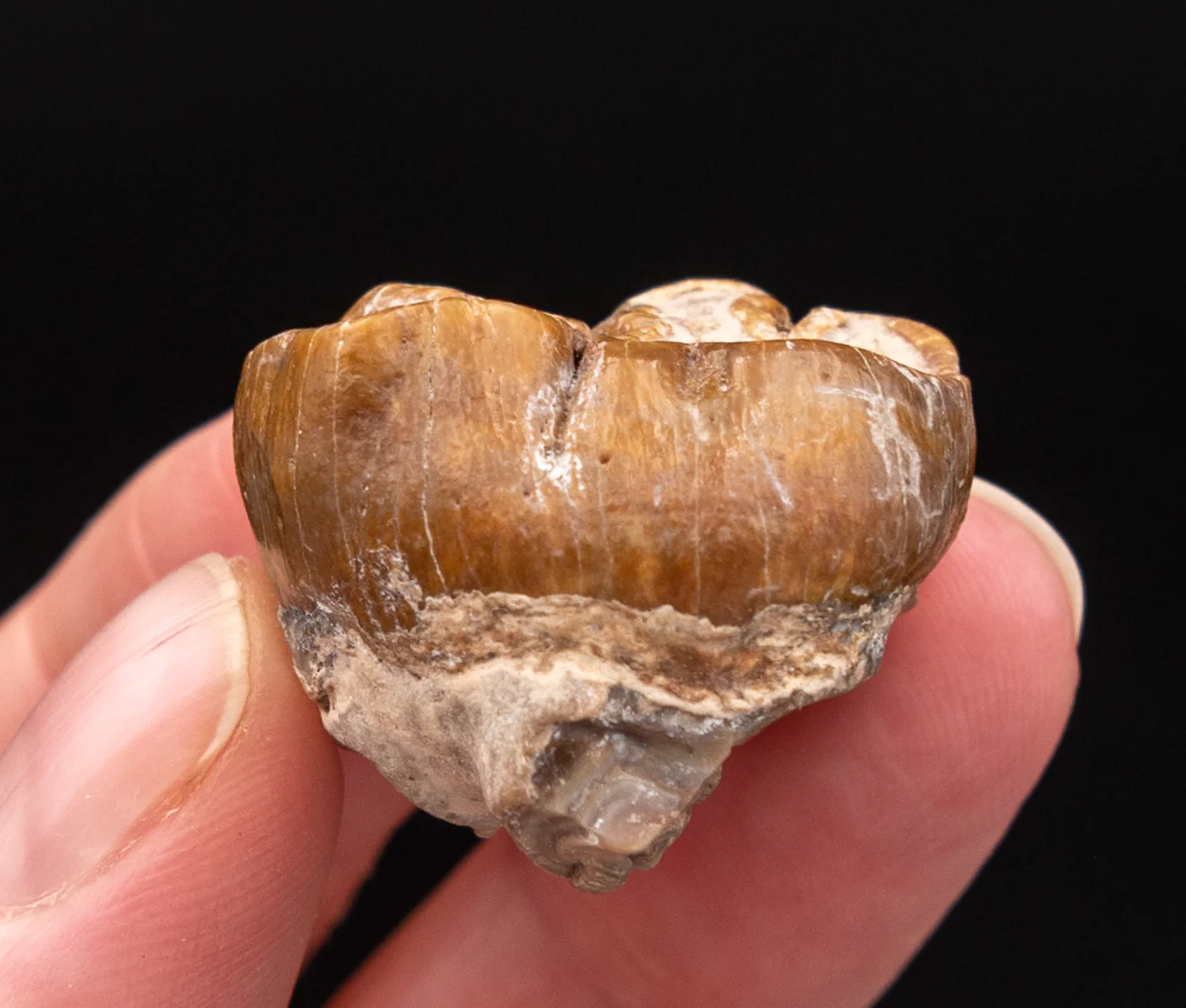
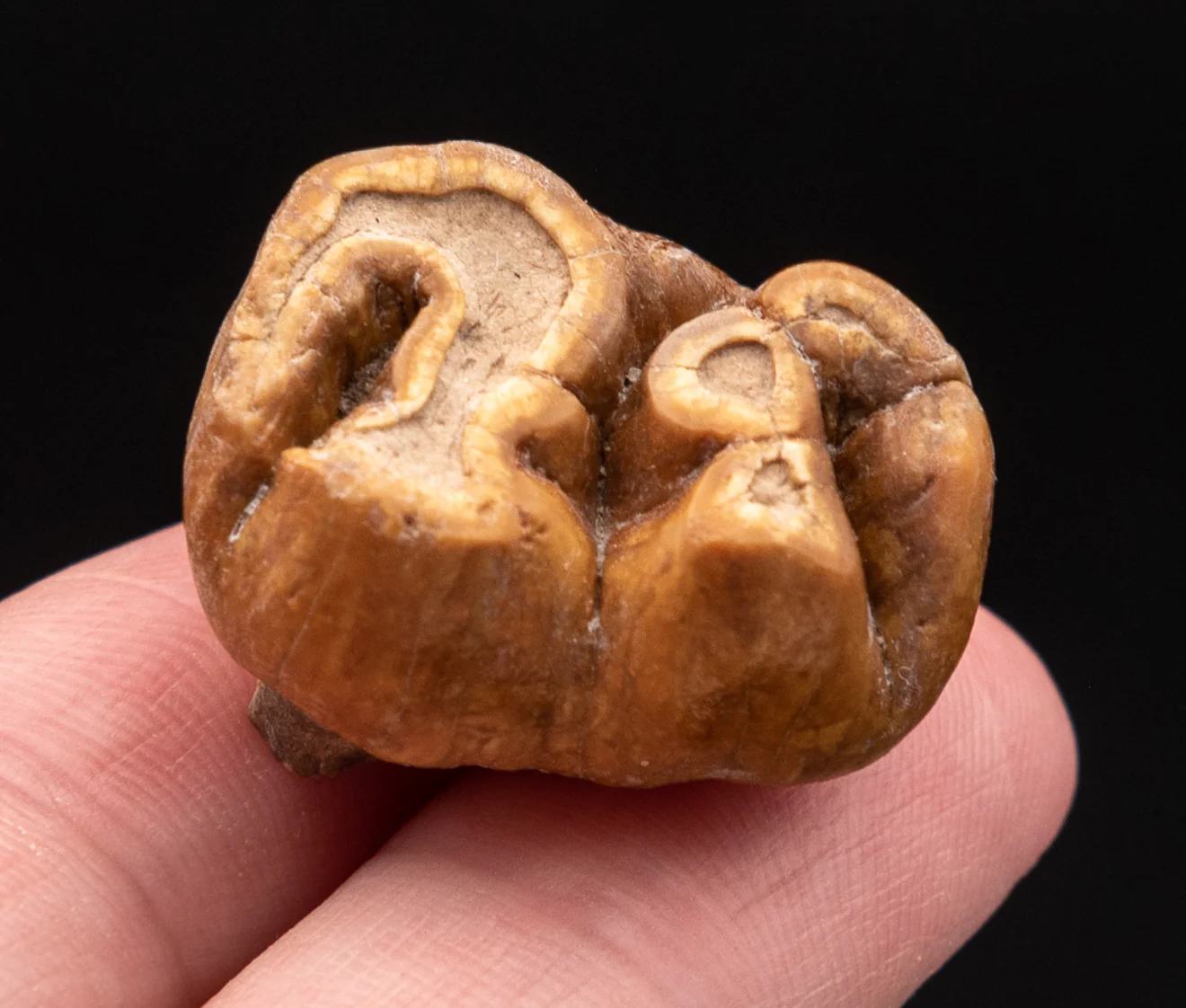
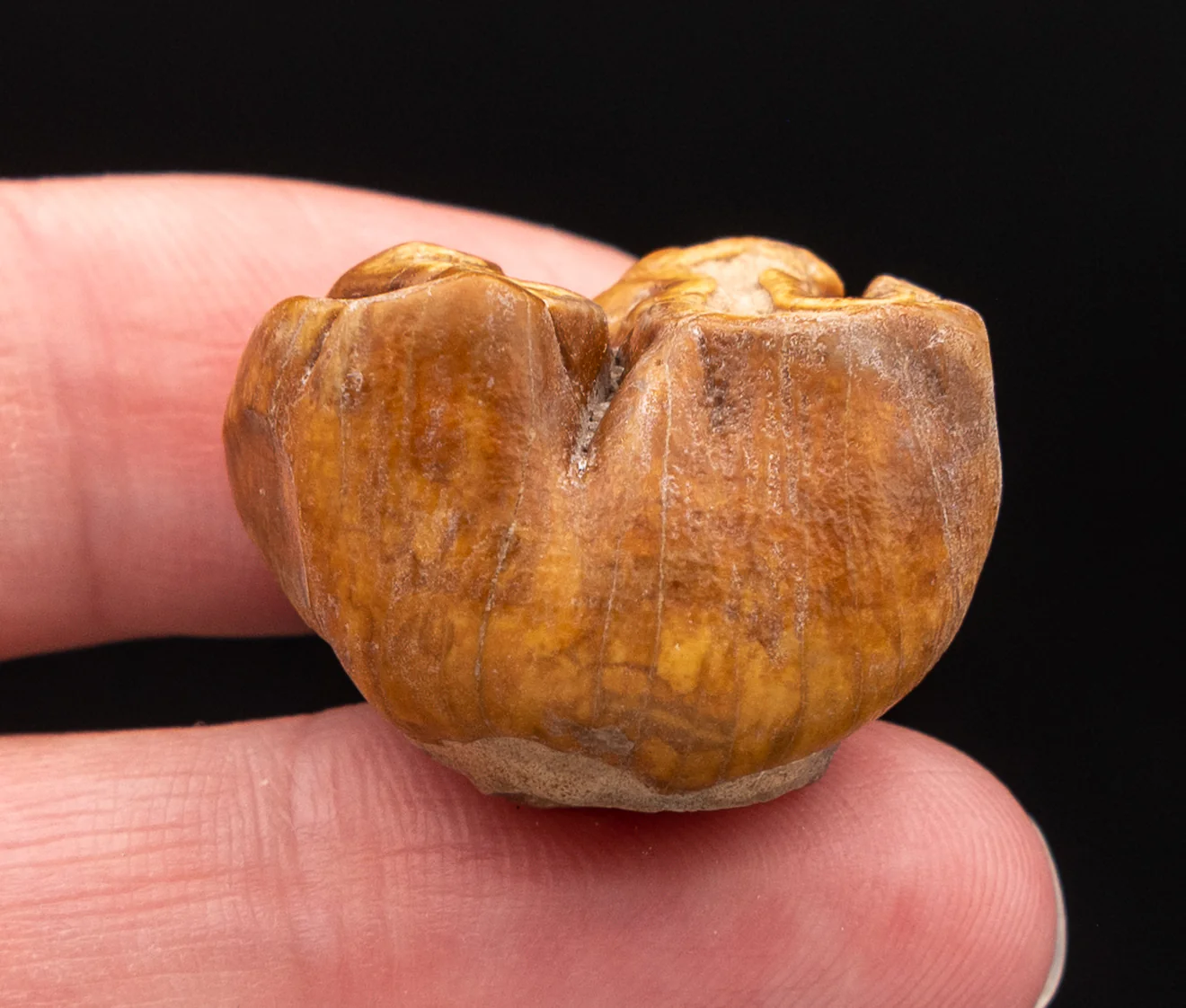
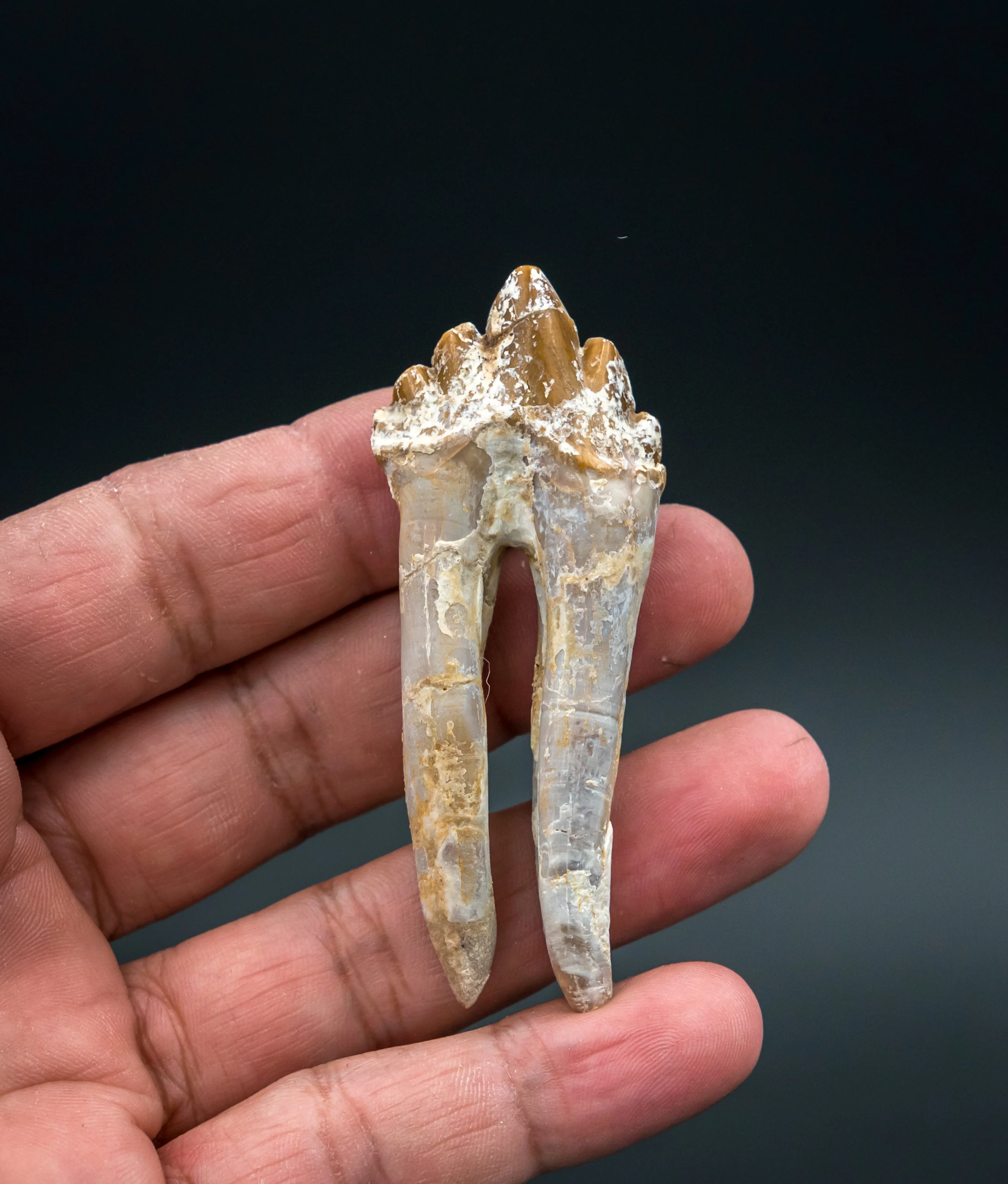
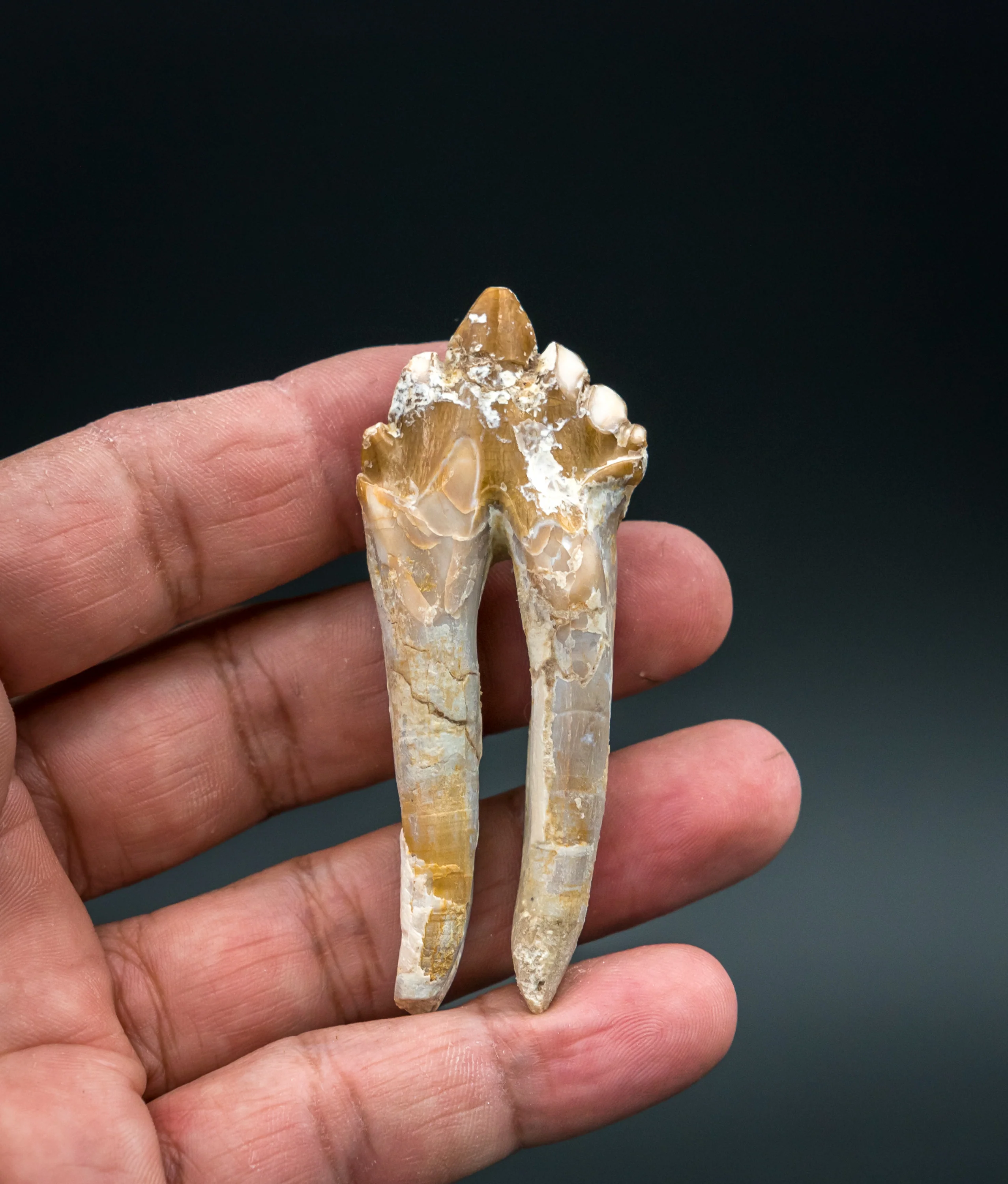
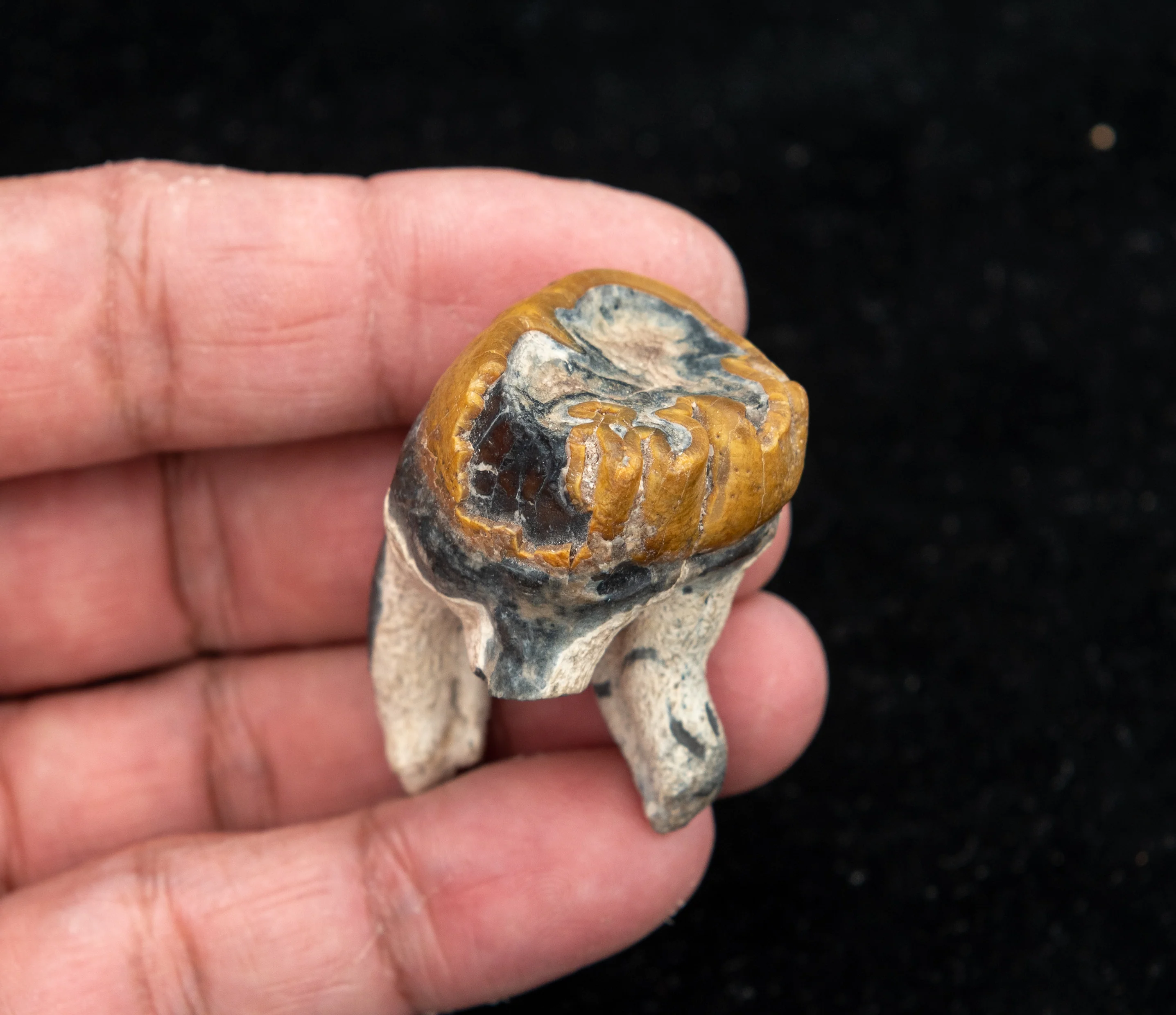
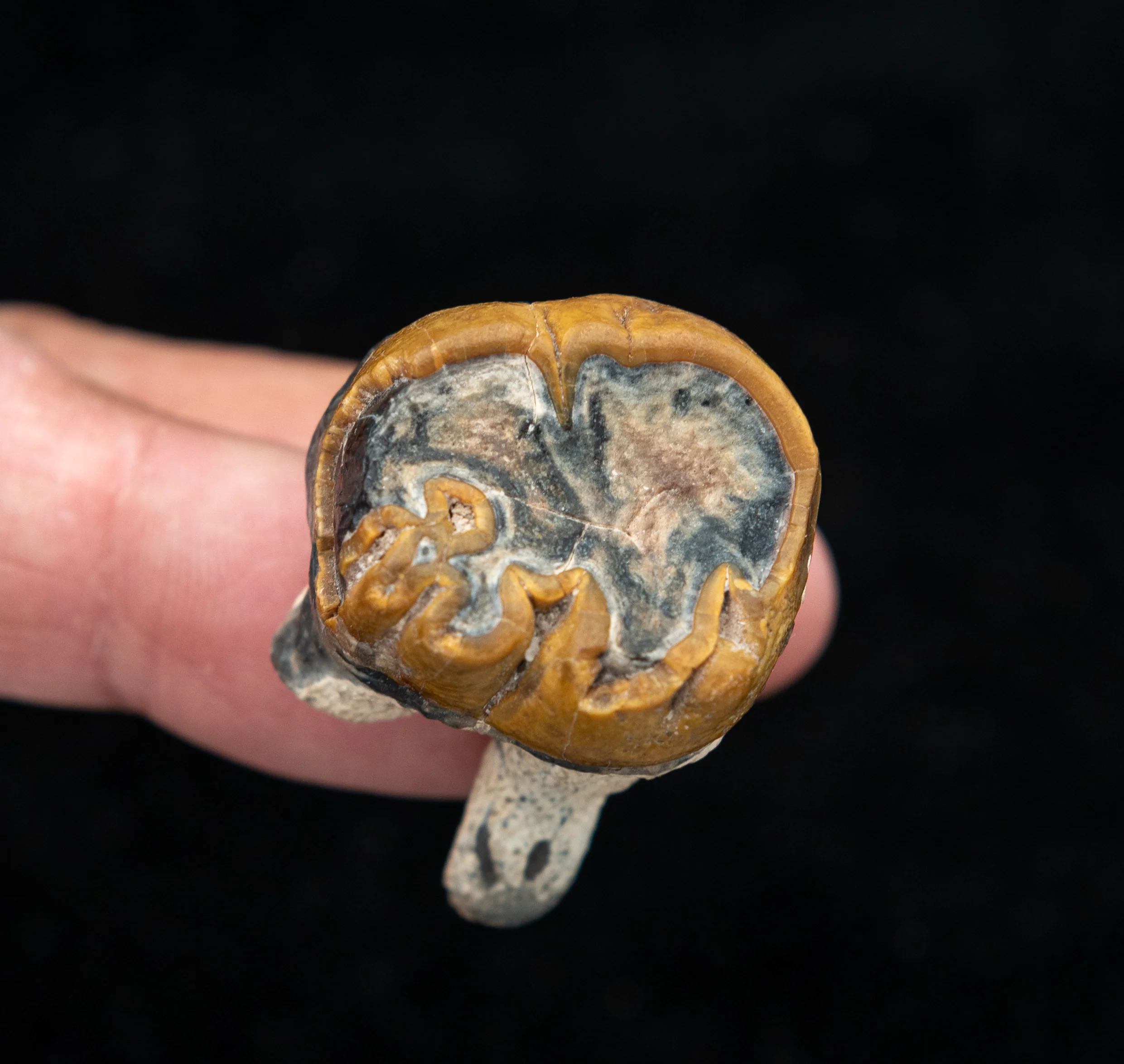
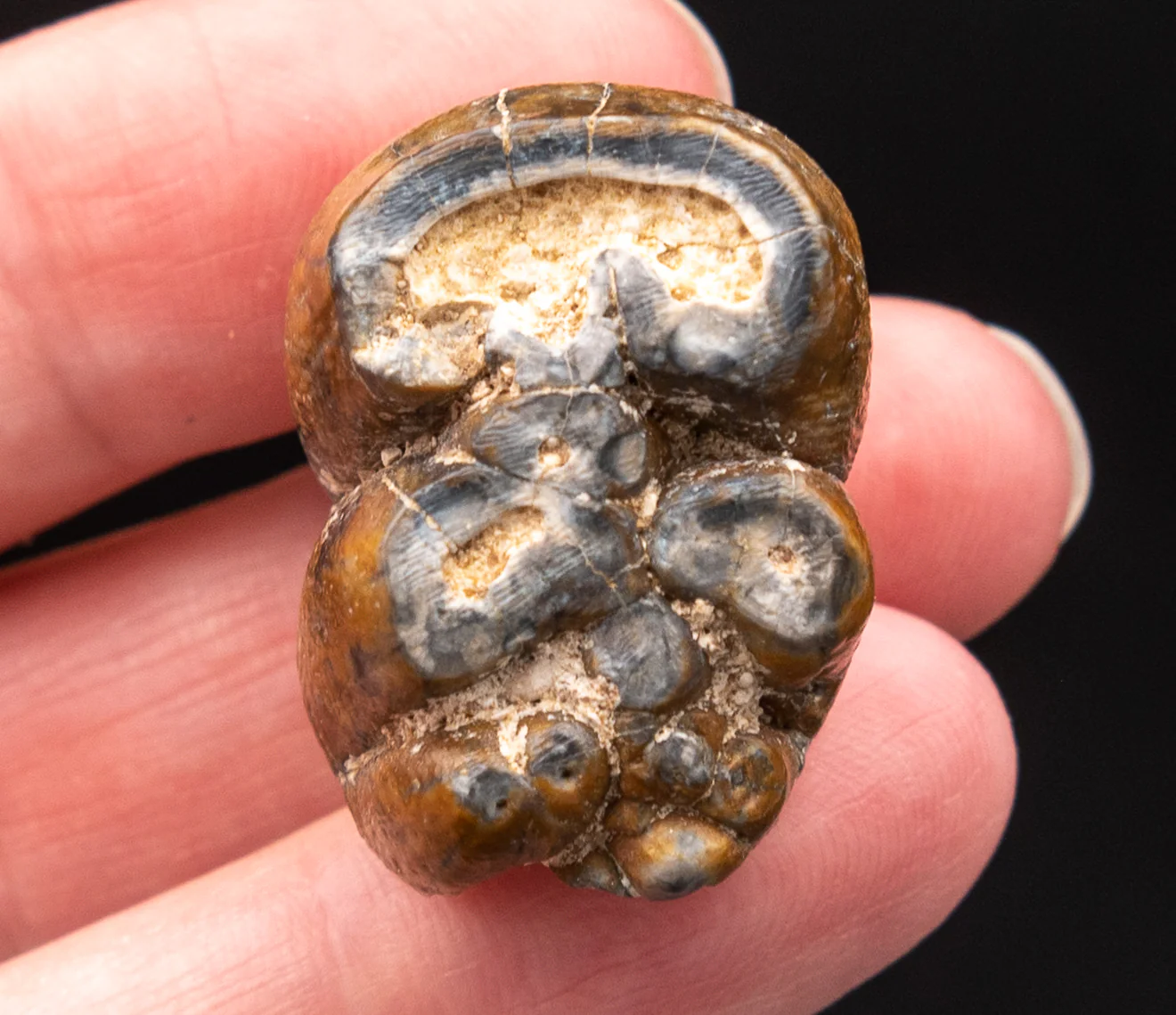
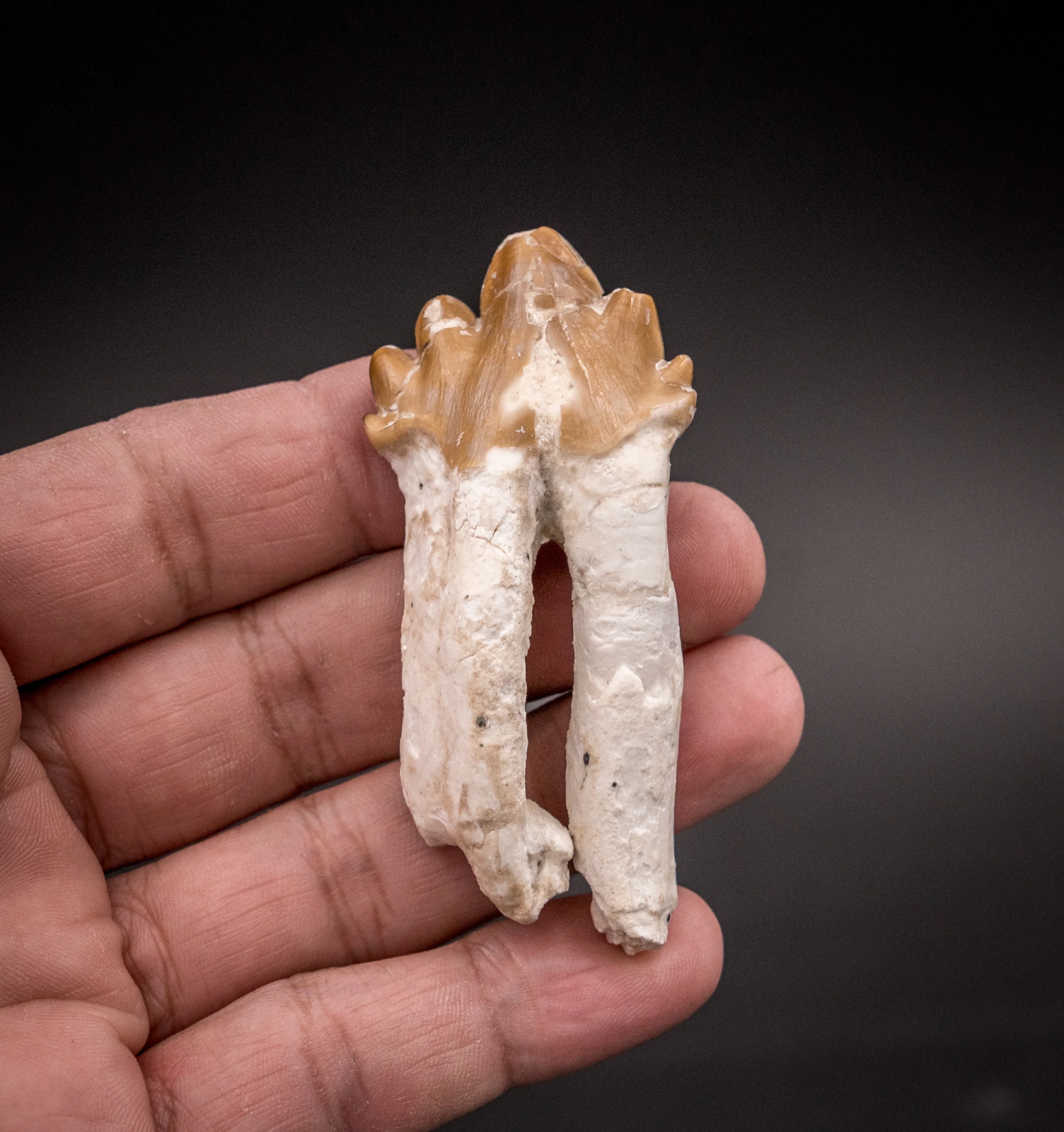
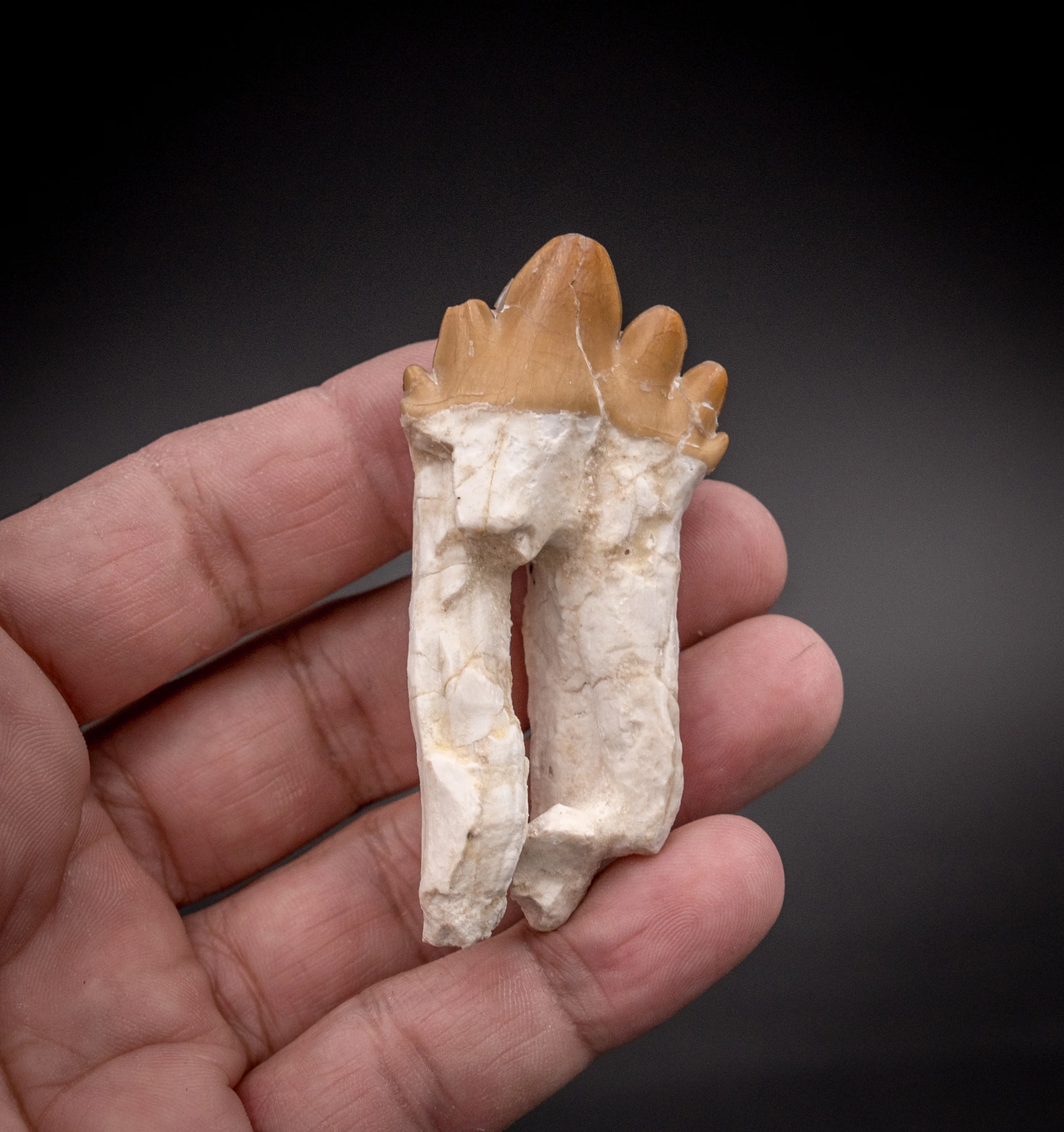
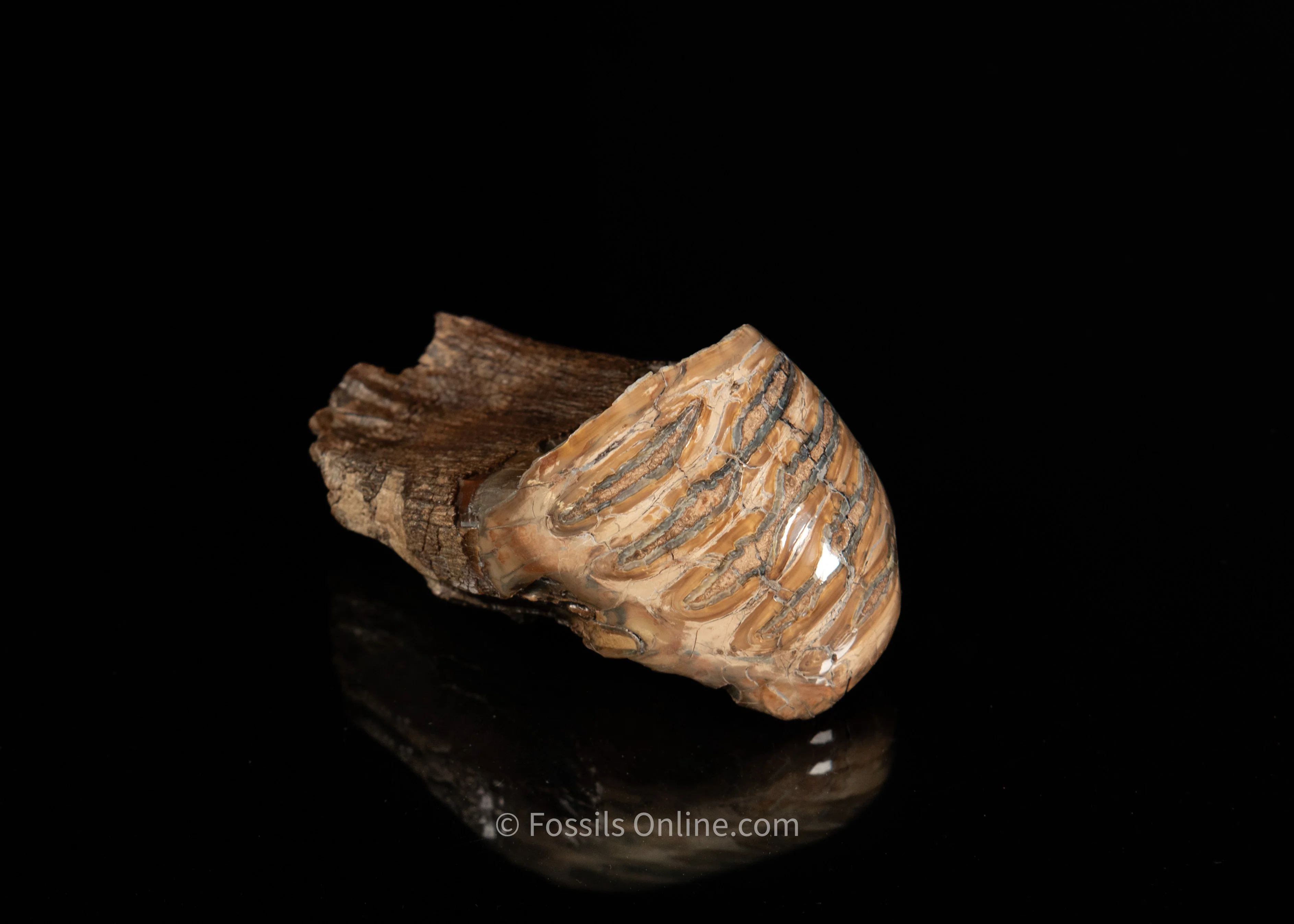
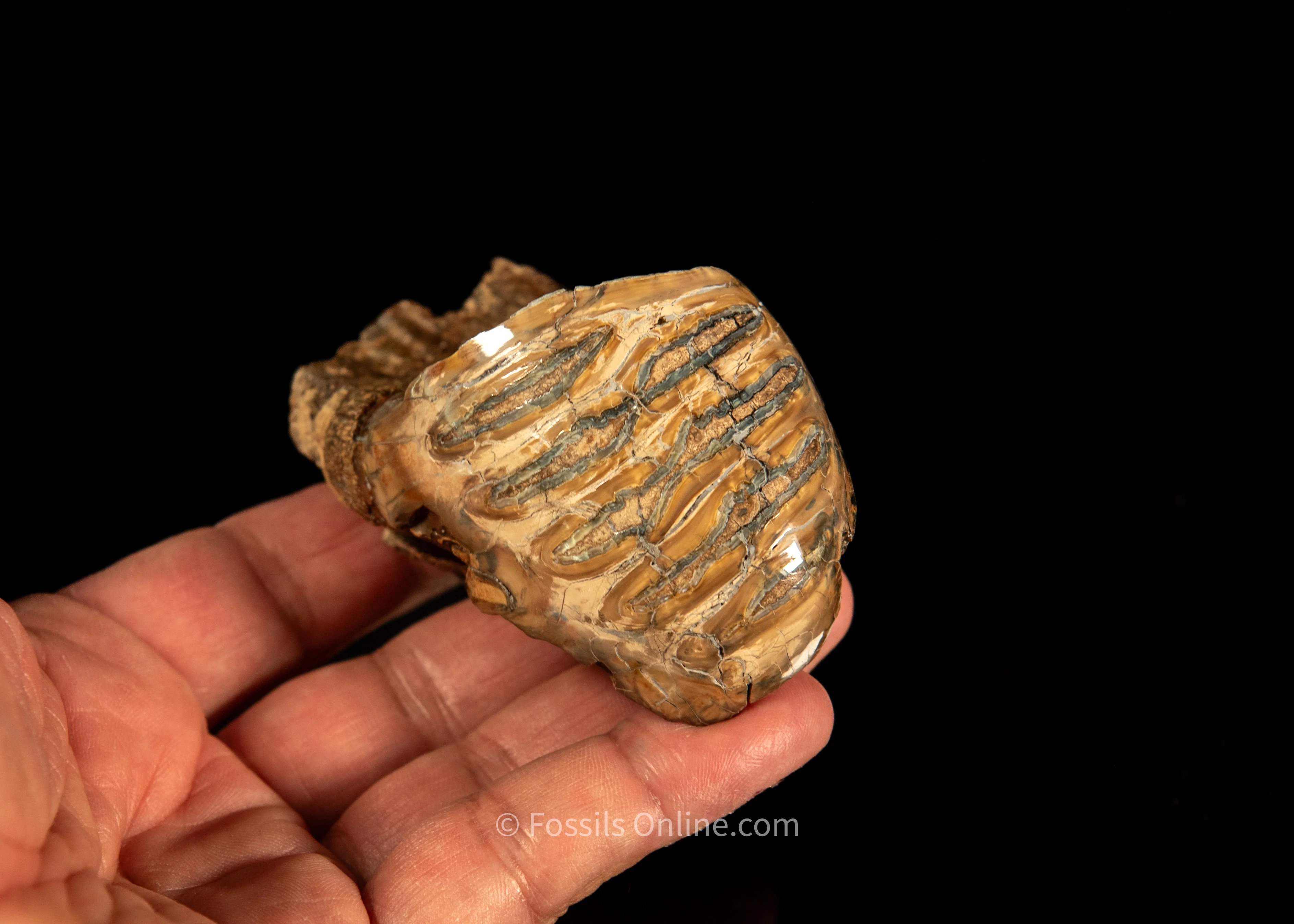
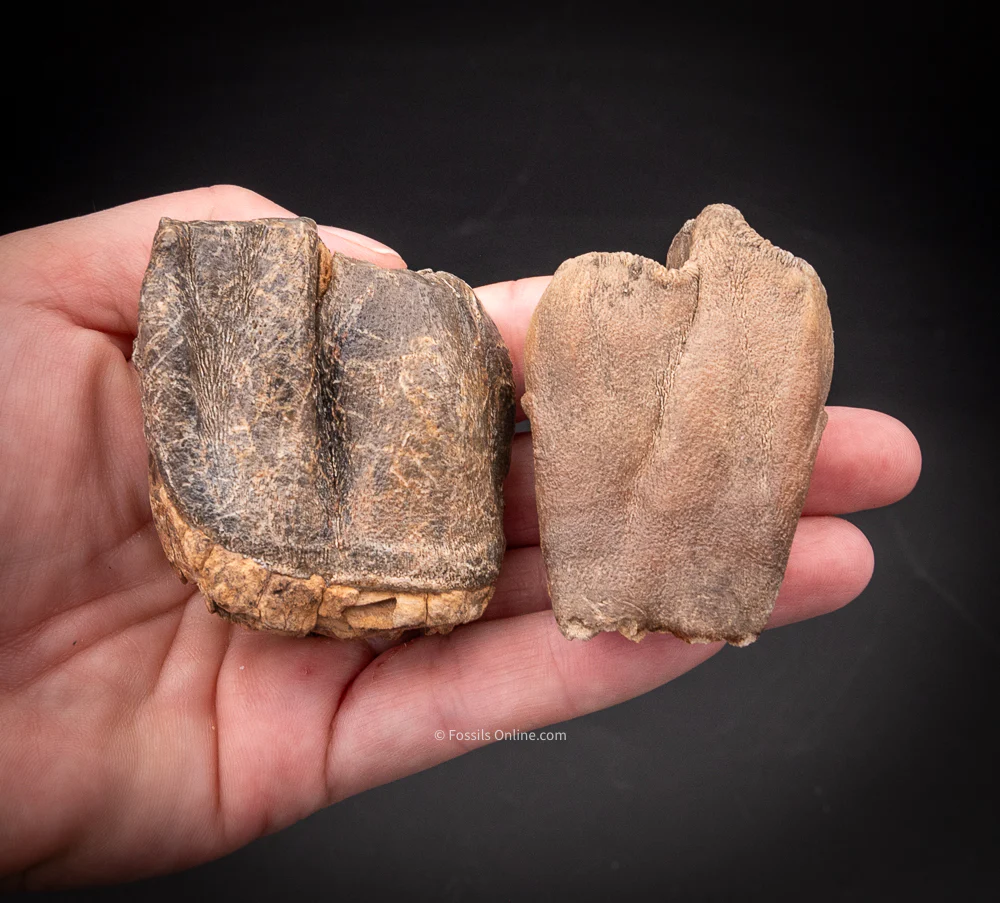
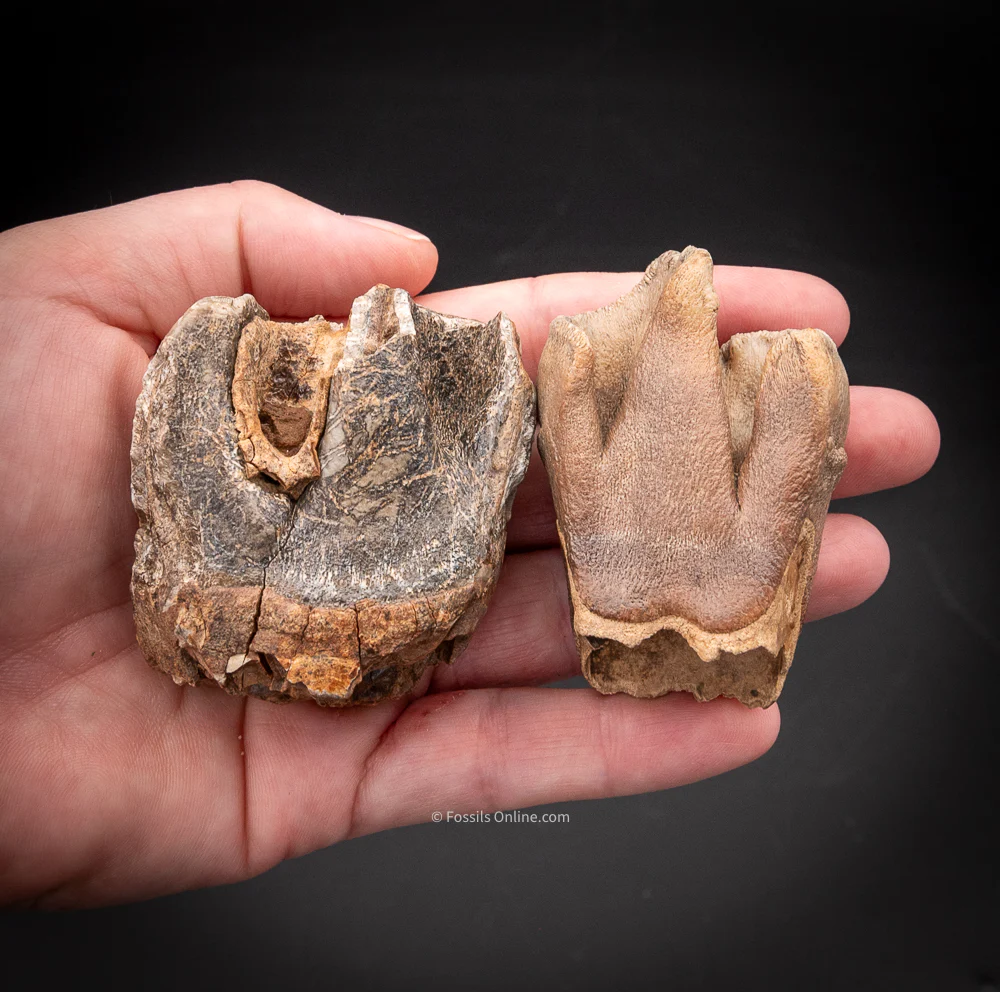
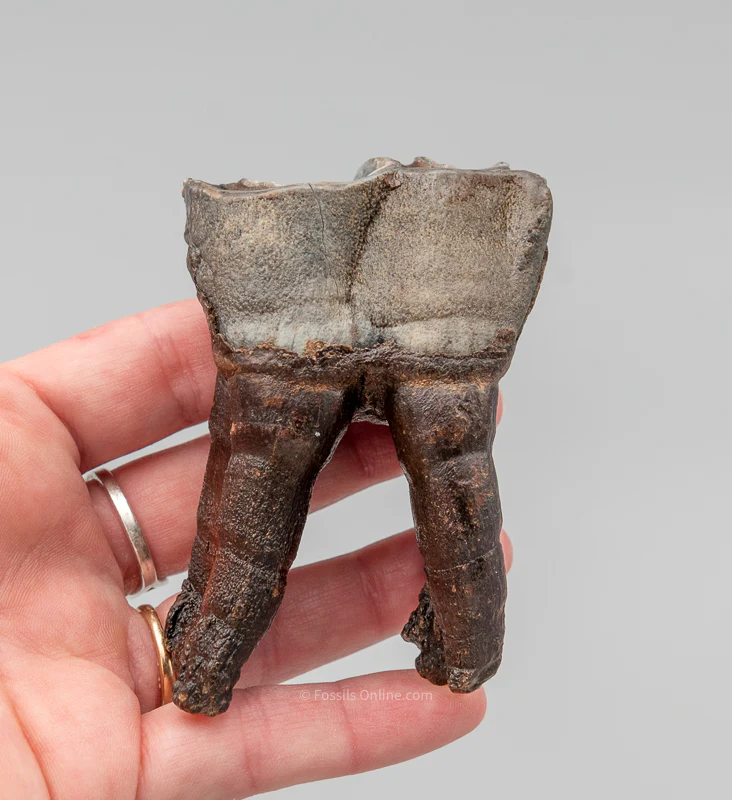
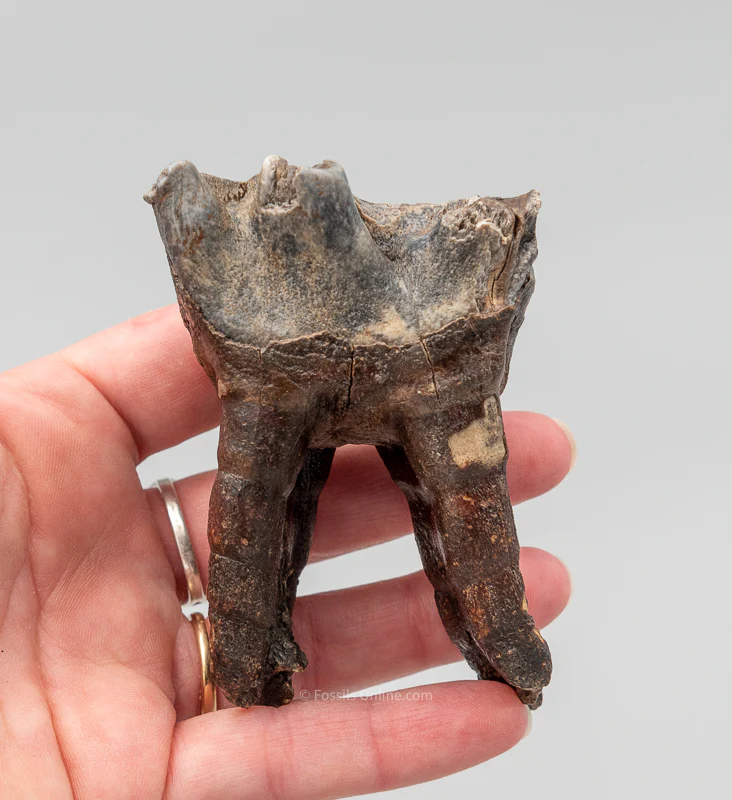
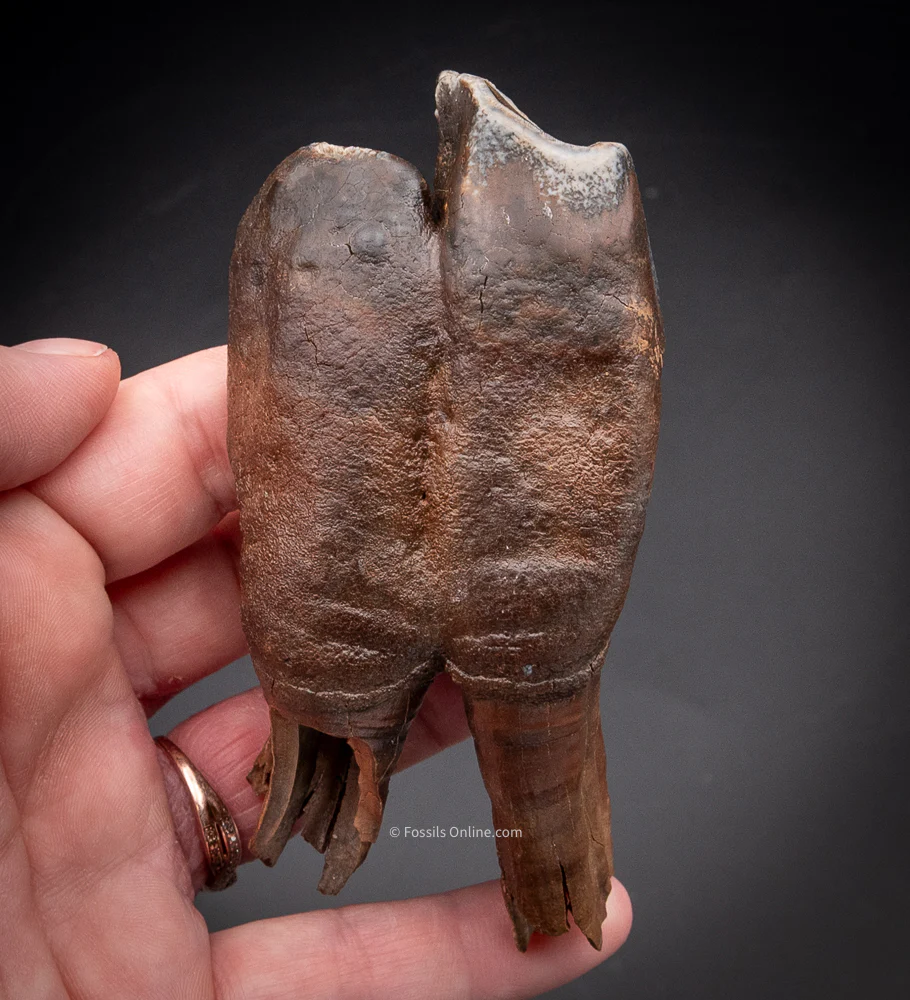
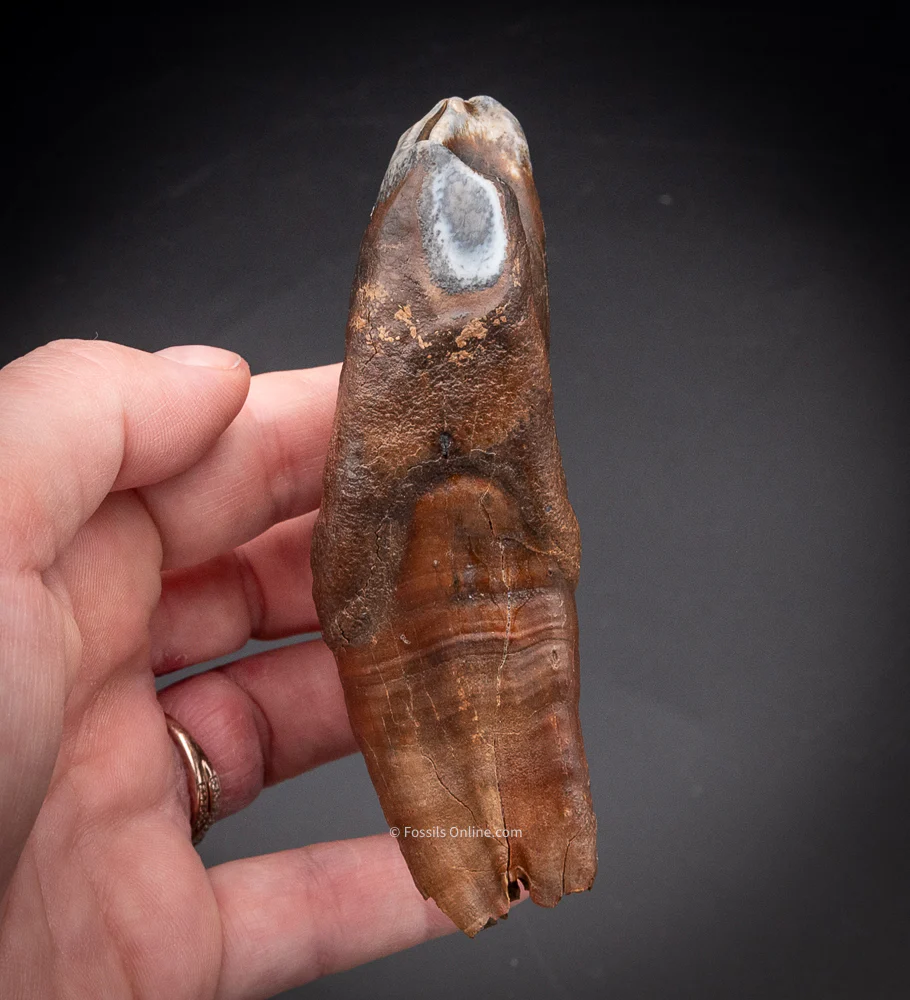
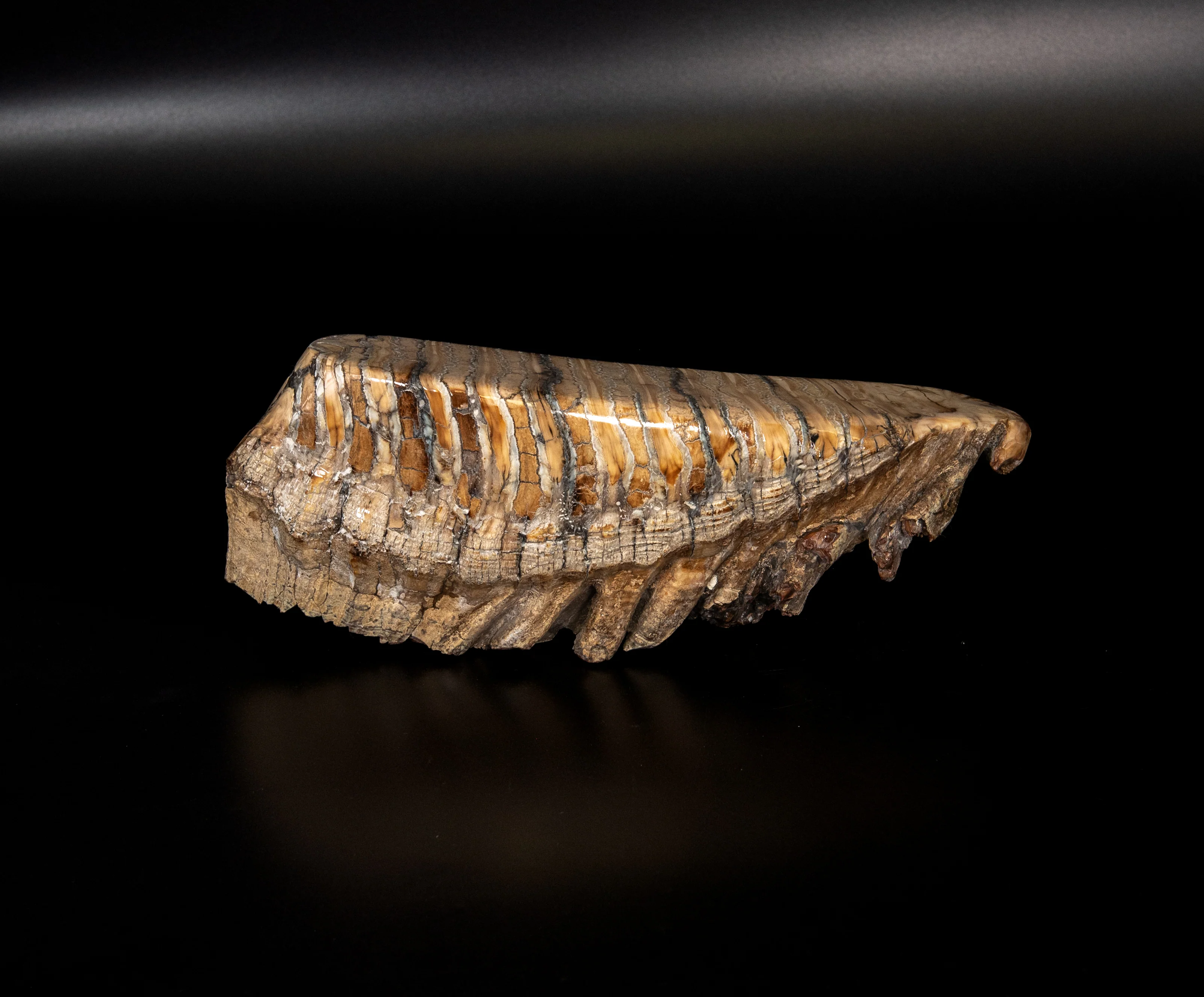
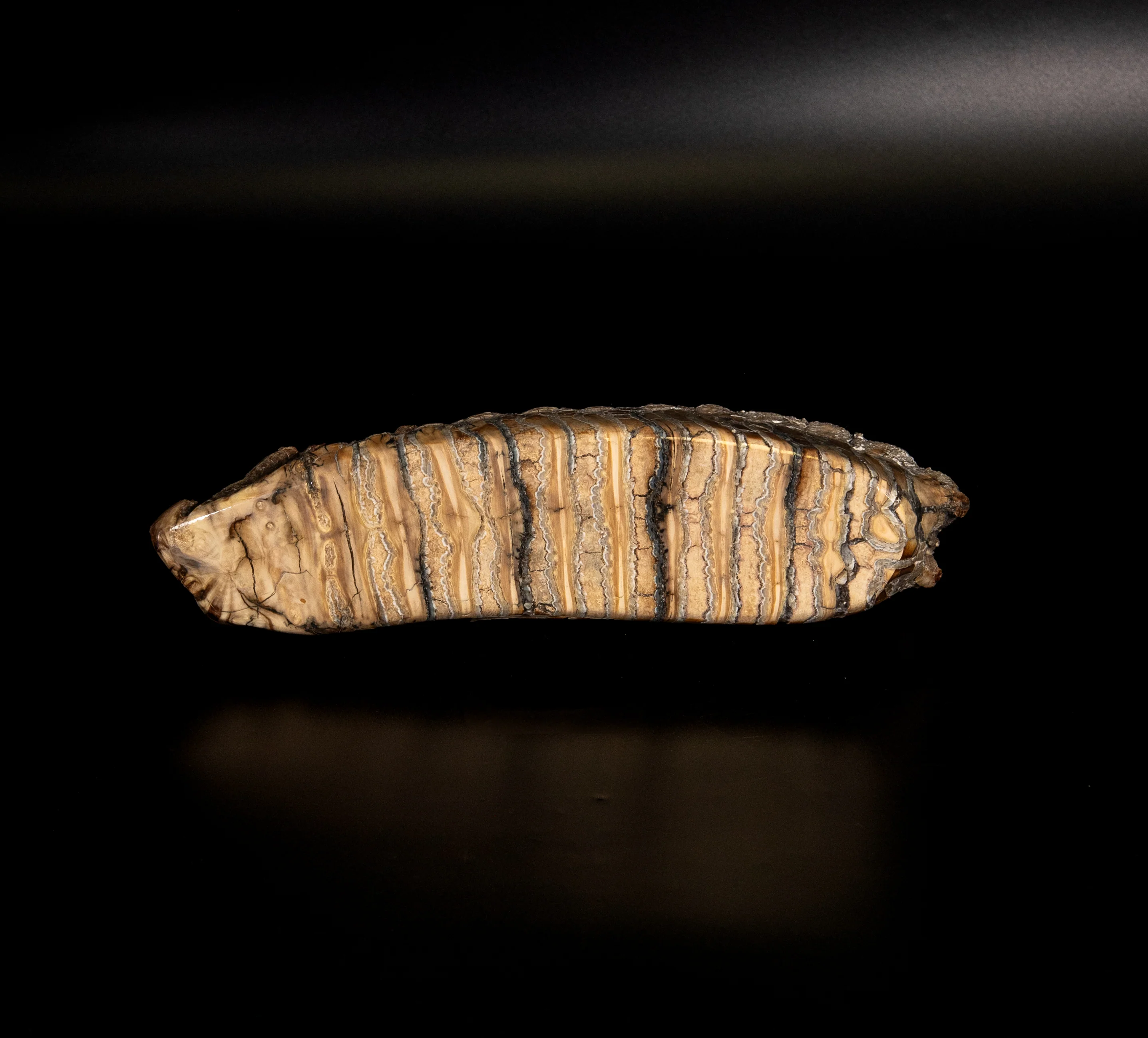
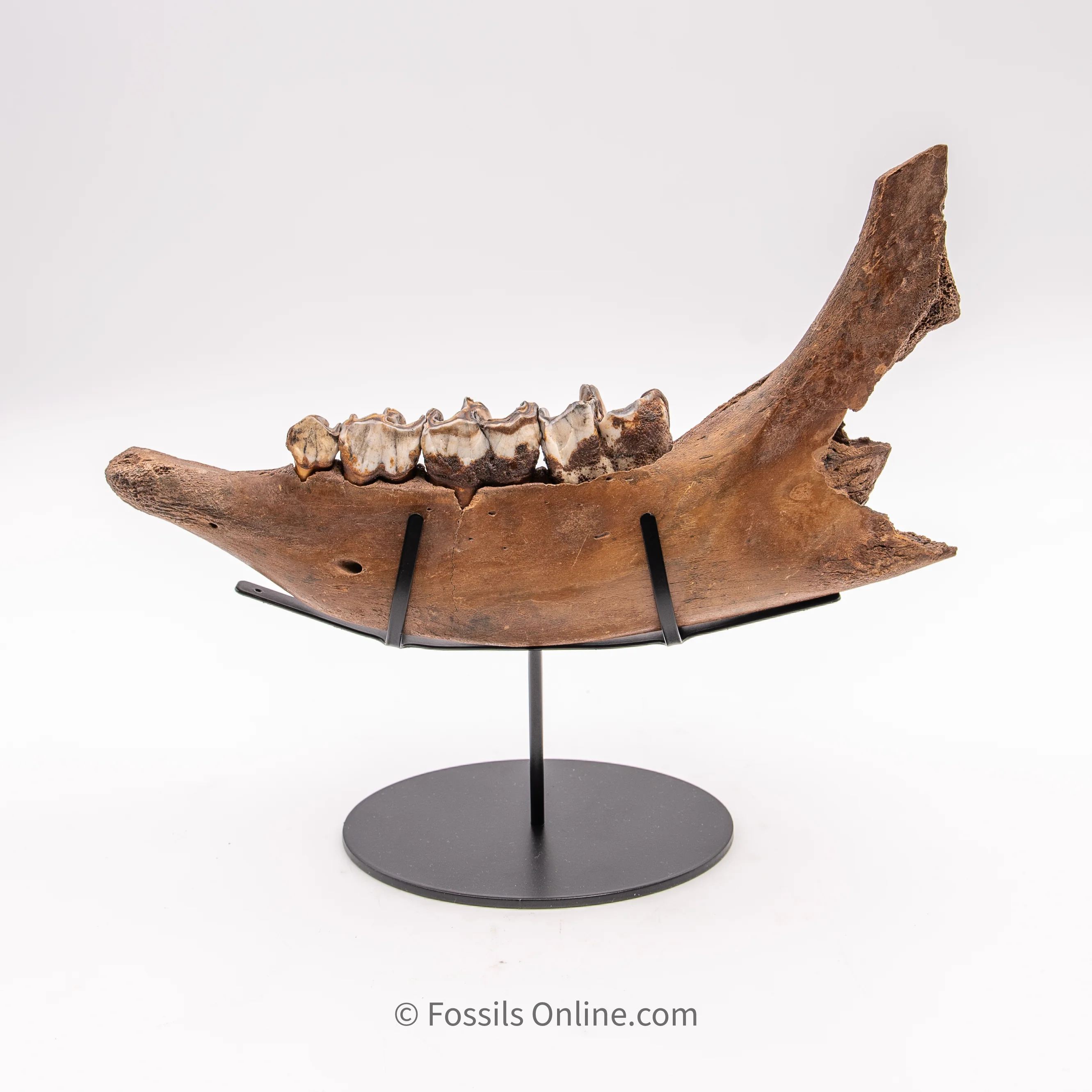
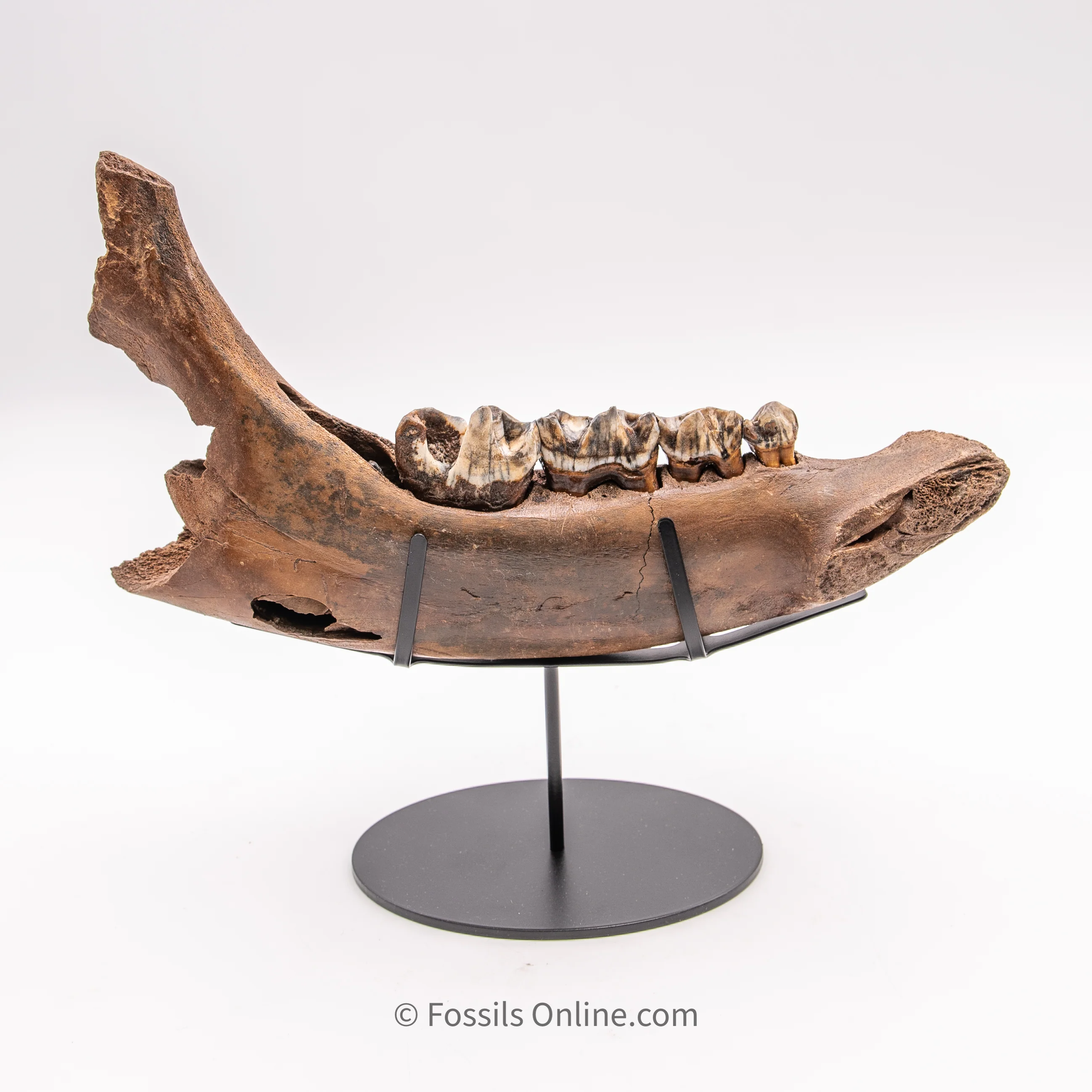
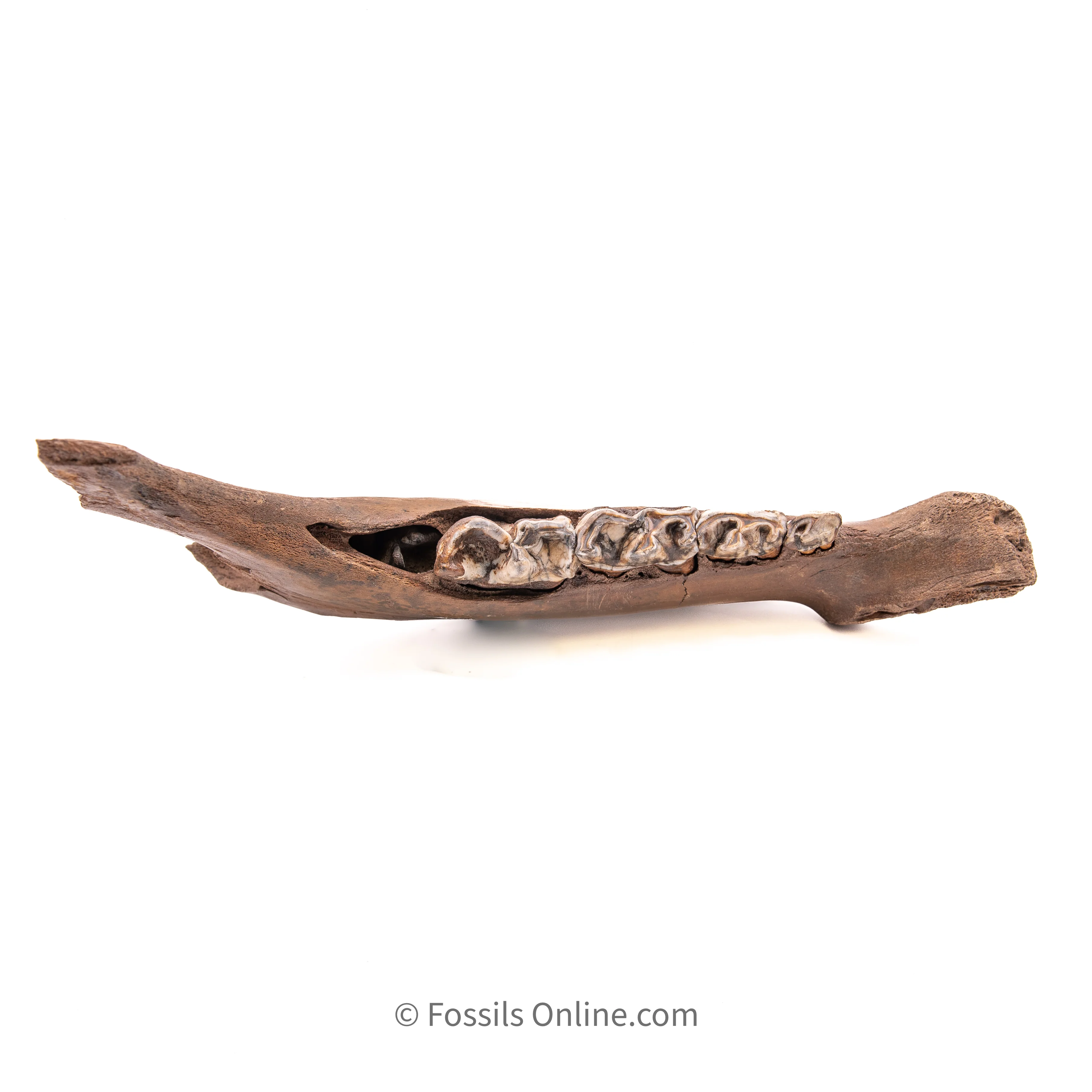
This juvenile Woolly Rhino jaw features a complete set of teeth, with one still unerupted. It has two small hairline cracks that have been stabilized, and a missing section on the inner side, a result of how it was unearthed. Despite these natural imperfections, it remains a truly beautiful specimen from a young animal.
Stand included
The Woolly Rhino, native to Siberia, was a large, prehistoric mammal that thrived during the Ice Age. Covered in thick, woolly fur and featuring a massive horn on its snout, it was well-adapted to the frigid Siberian environment. Fossils and cave paintings reveal it as a formidable herbivore, using its horn to clear snow and access vegetation. The woolly rhino became extinct around 10,000 years ago, likely due to climate change and human activities.
Details & Craftsmanship
Every detail has been carefully considered to bring you the perfect product.
Details & Craftsmanship
Every detail has been carefully considered to bring you the perfect product.
Description
This juvenile Woolly Rhino jaw features a complete set of teeth, with one still unerupted. It has two small hairline cracks that have been stabilized, and a missing section on the inner side, a result of how it was unearthed. Despite these natural imperfections, it remains a truly beautiful specimen from a young animal.
Stand included
The Woolly Rhino, native to Siberia, was a large, prehistoric mammal that thrived during the Ice Age. Covered in thick, woolly fur and featuring a massive horn on its snout, it was well-adapted to the frigid Siberian environment. Fossils and cave paintings reveal it as a formidable herbivore, using its horn to clear snow and access vegetation. The woolly rhino became extinct around 10,000 years ago, likely due to climate change and human activities.