Original: $165.00
-65%$165.00
$57.75The Story
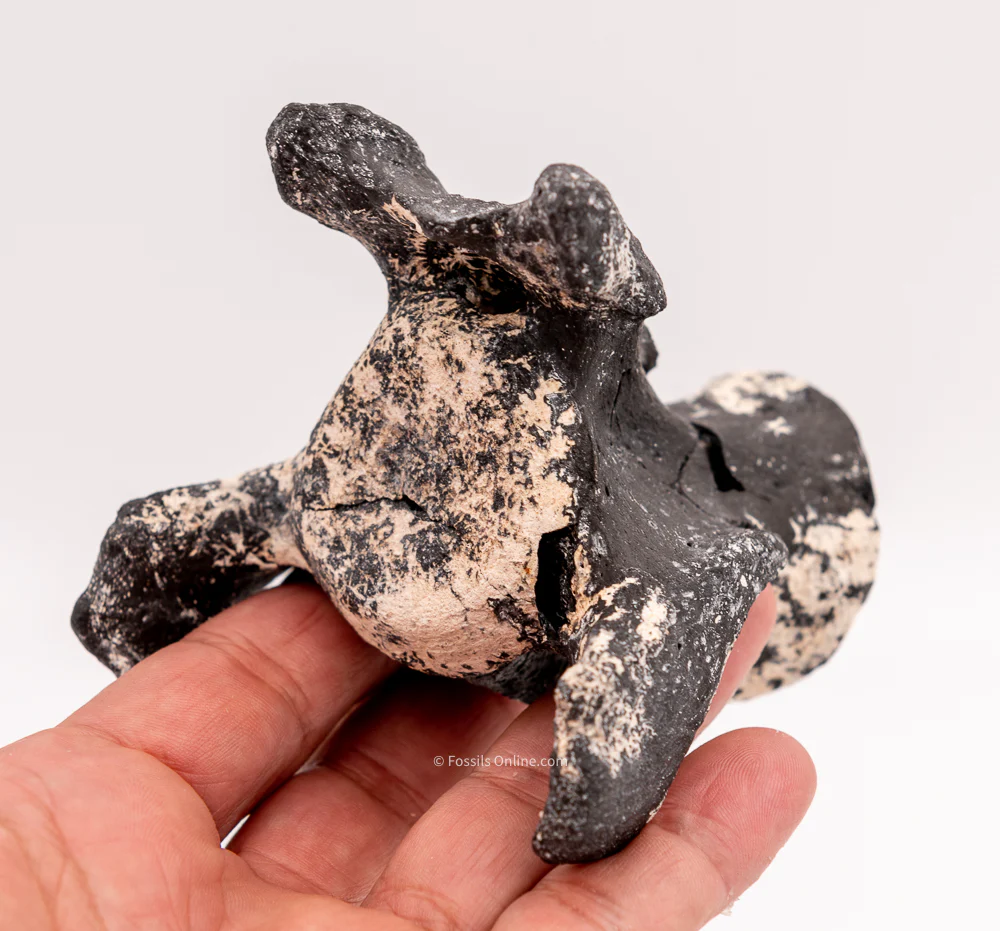
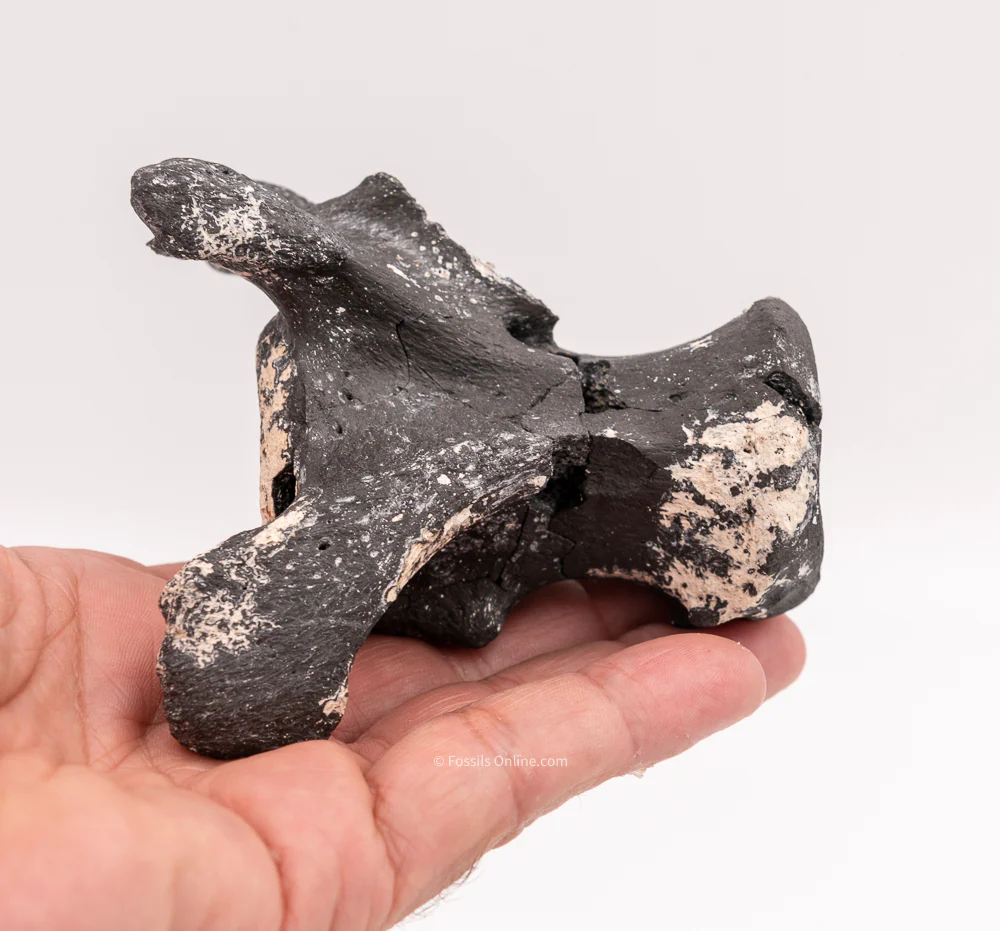
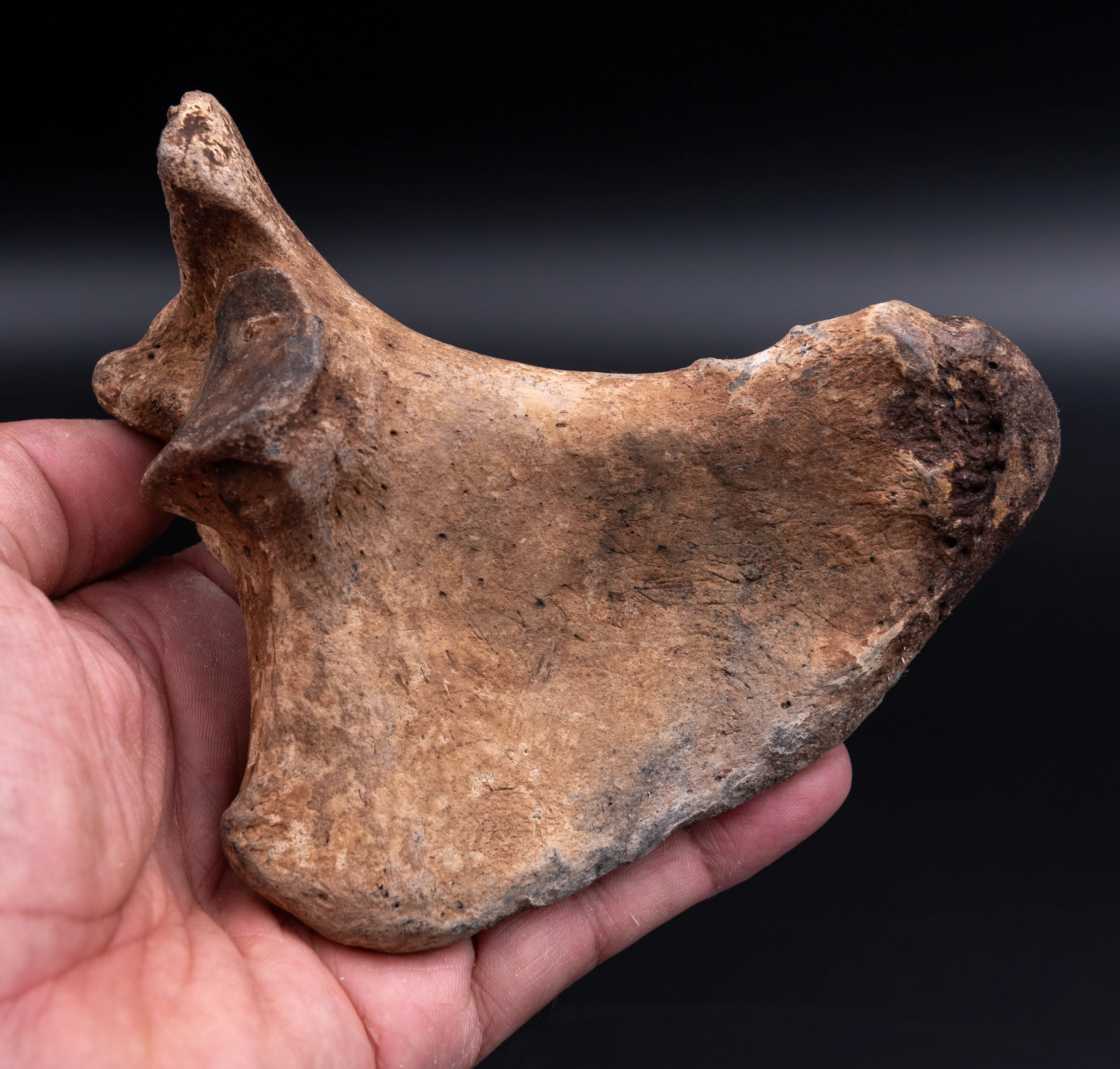
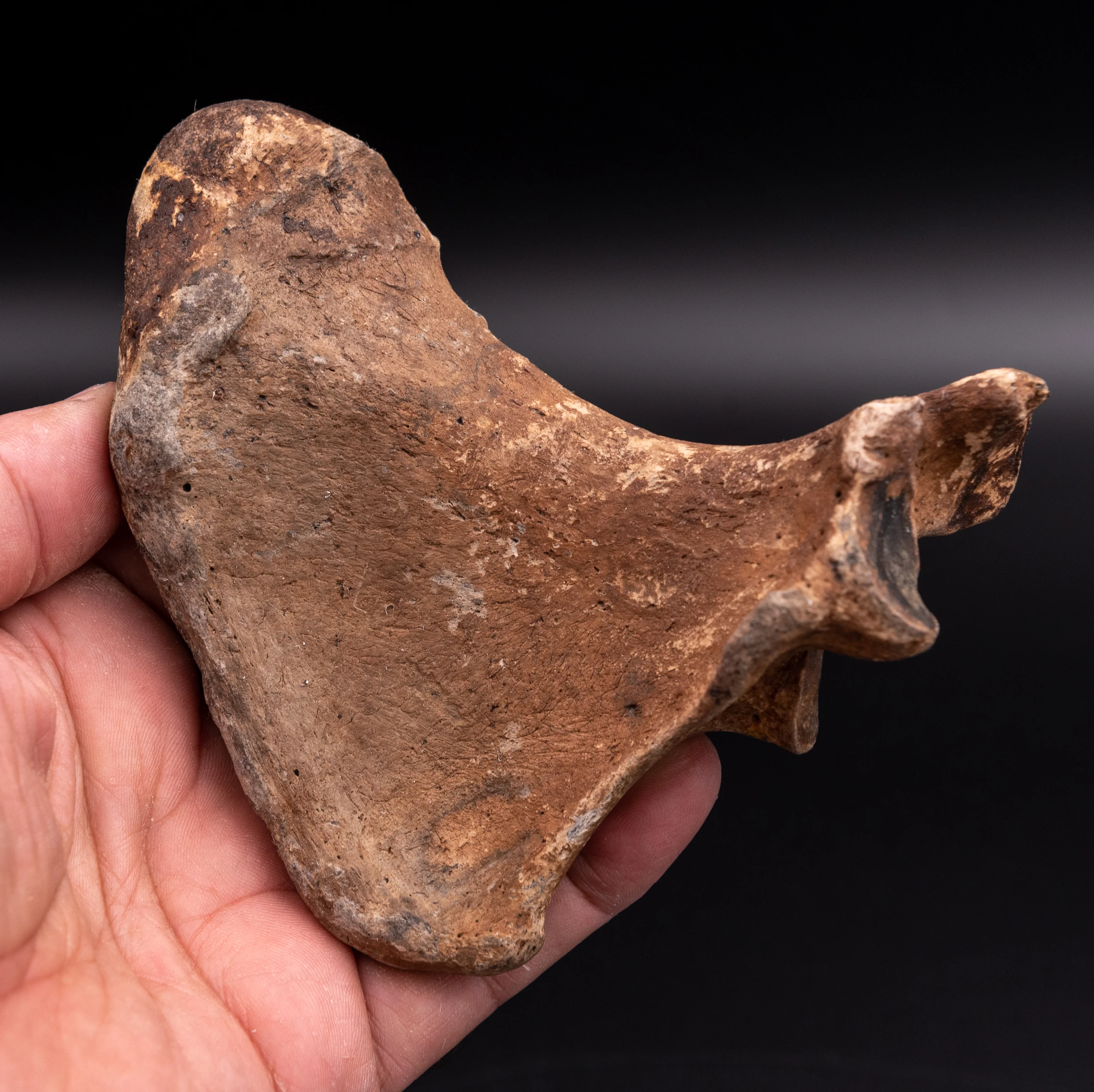
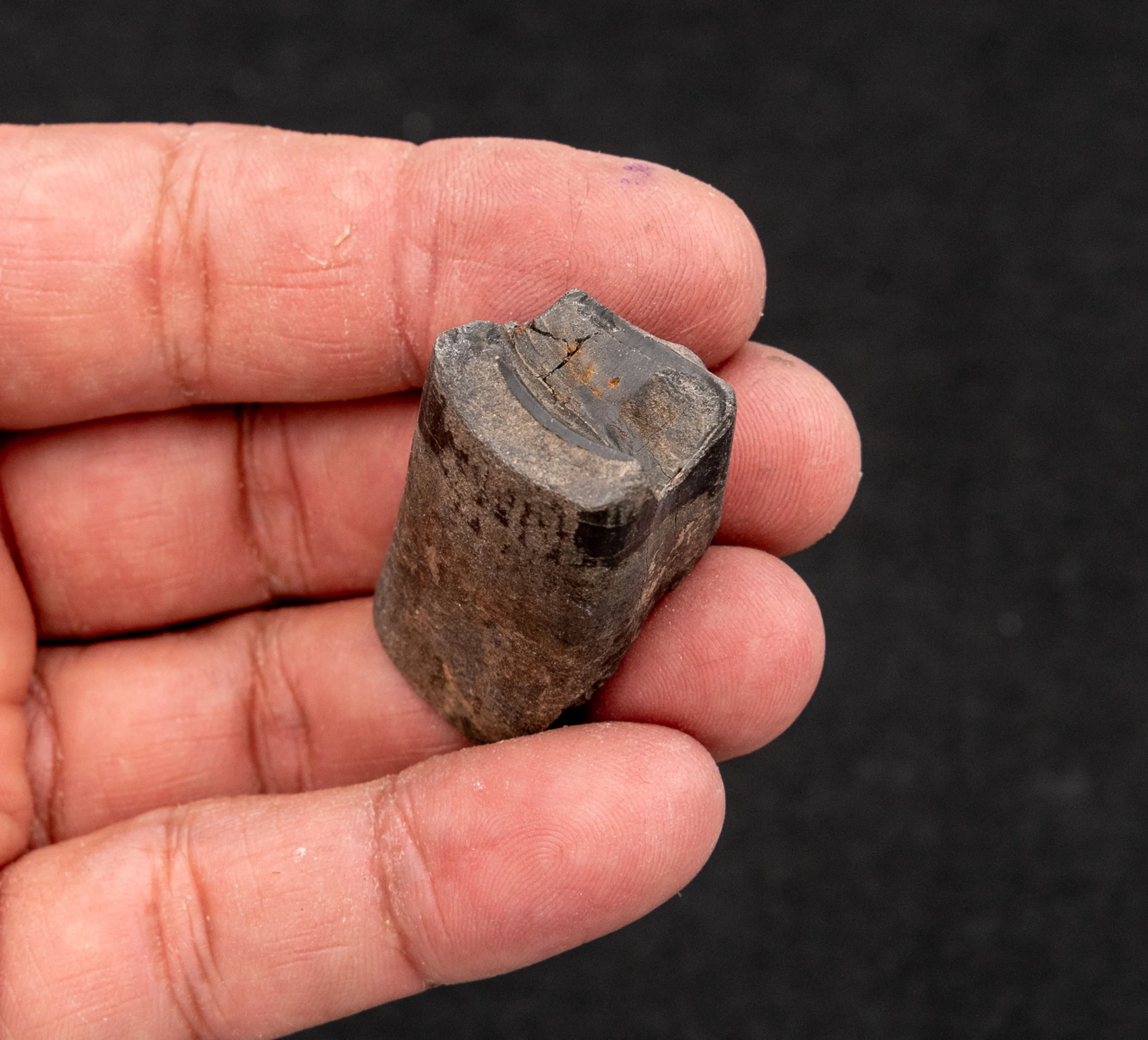
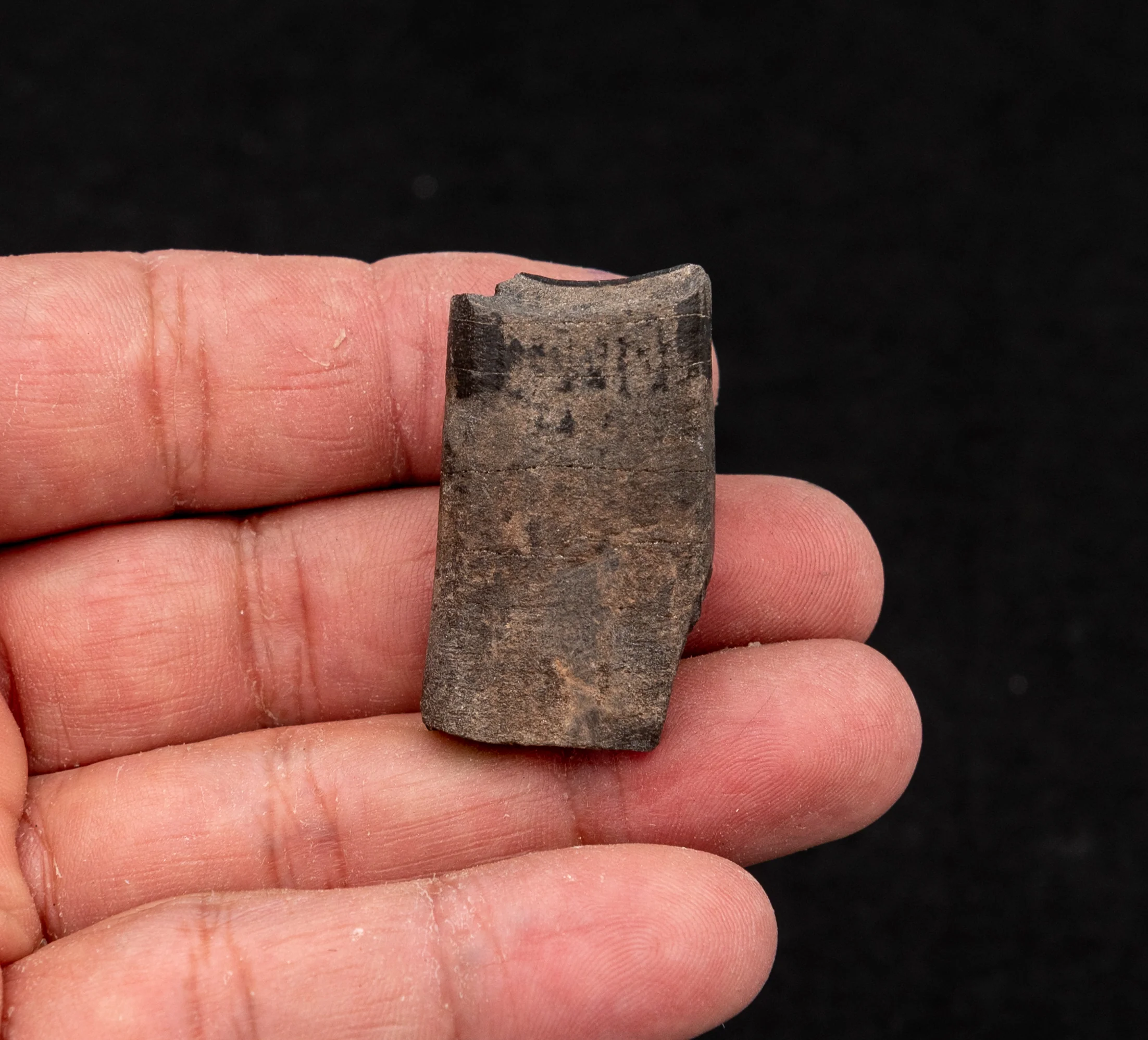
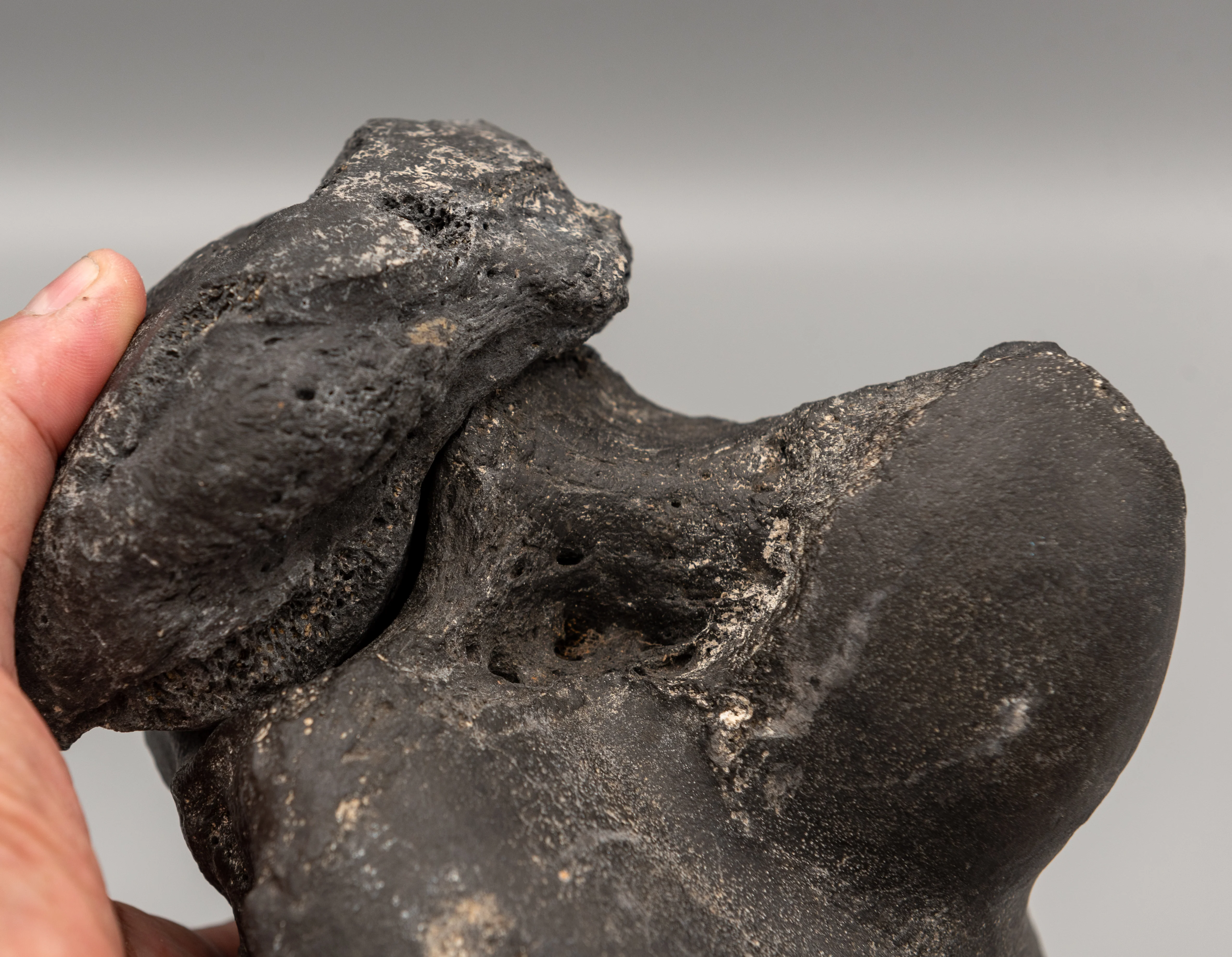
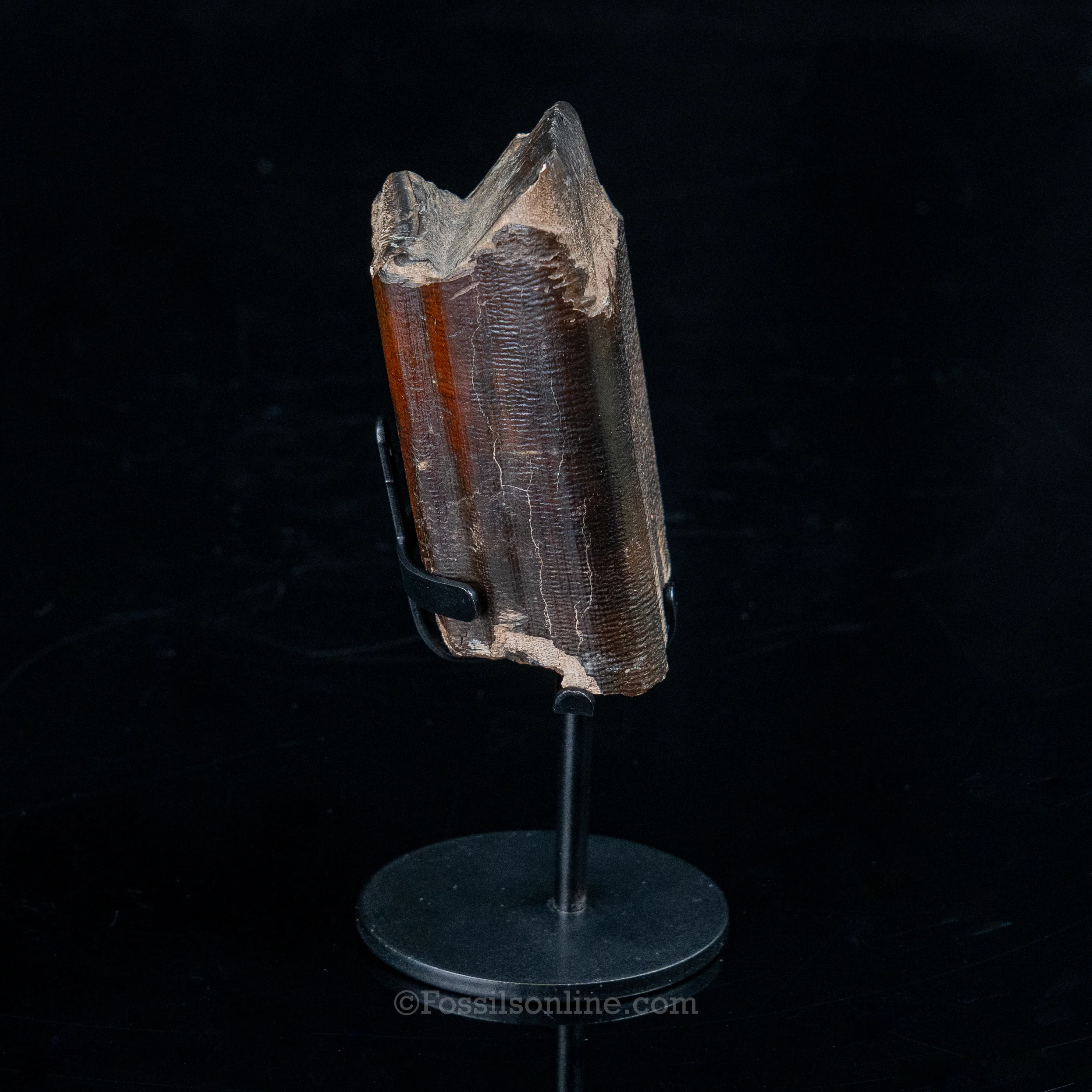
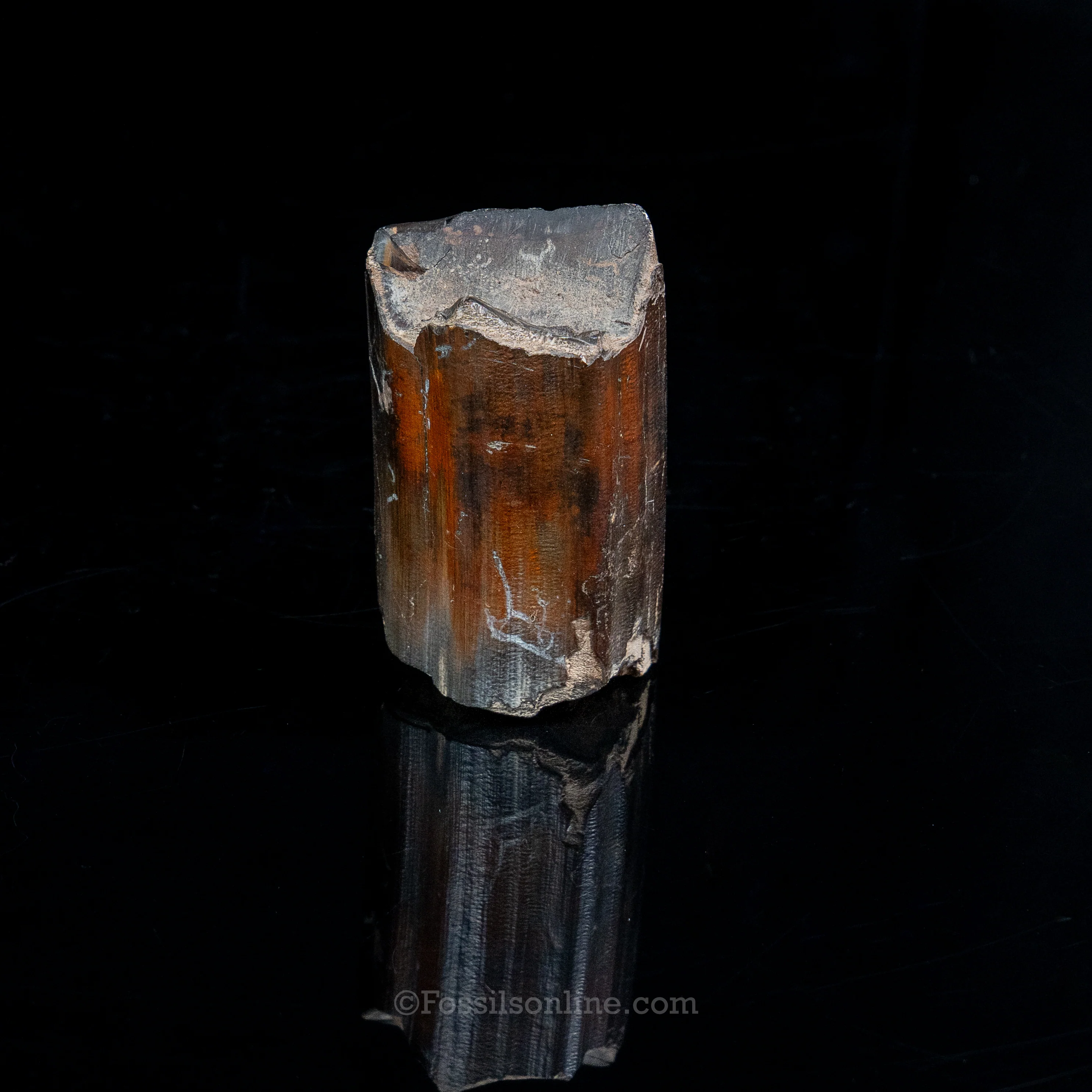
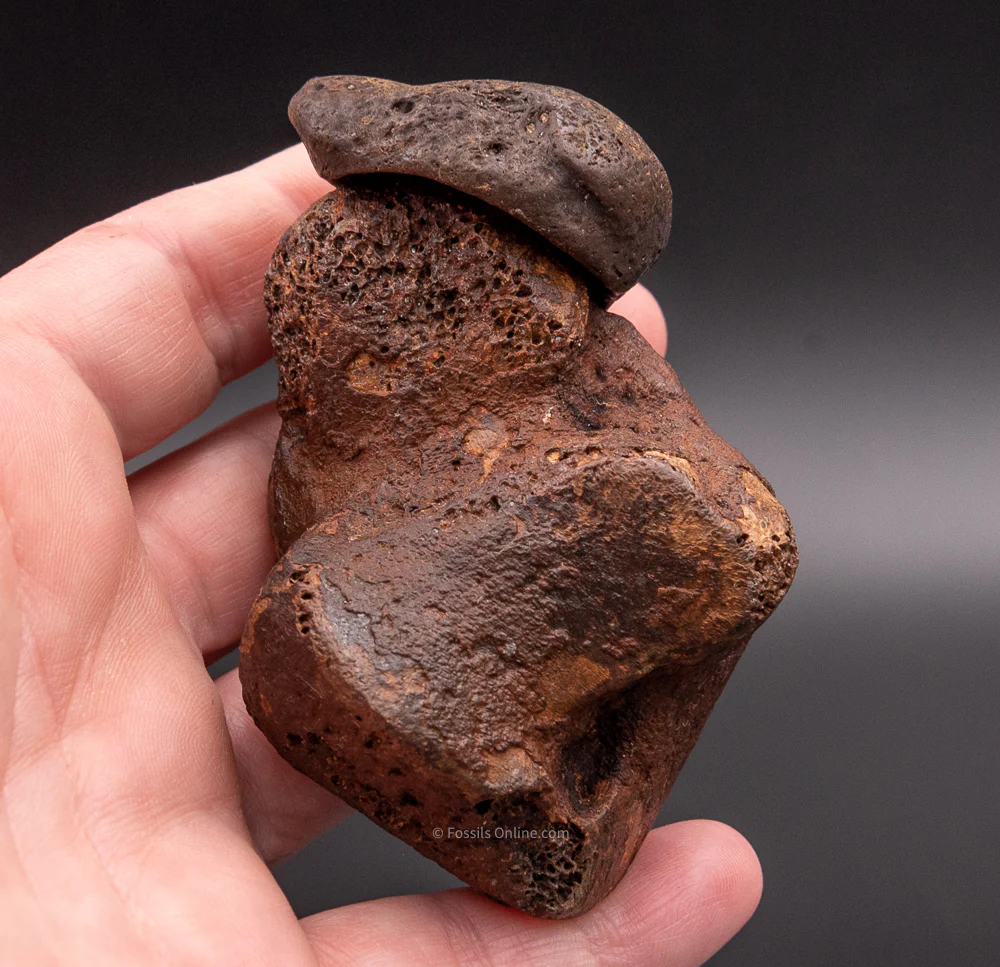
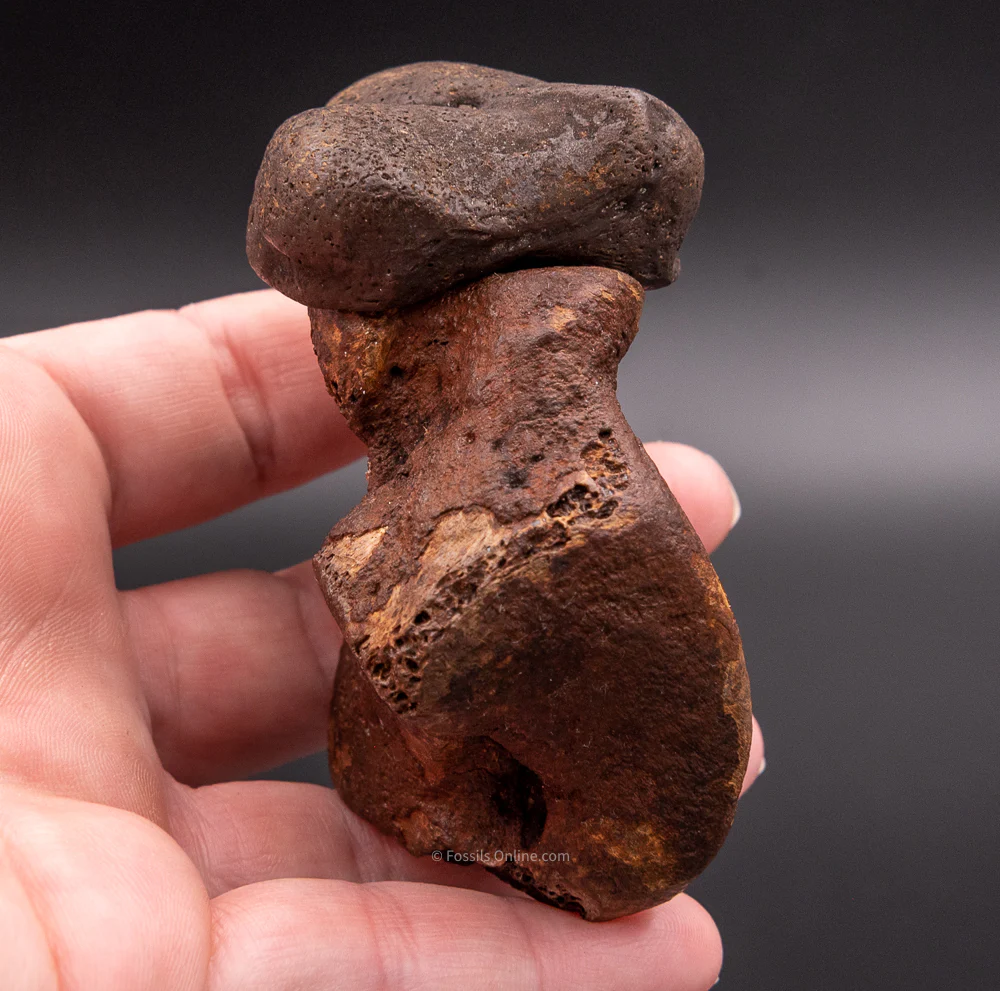
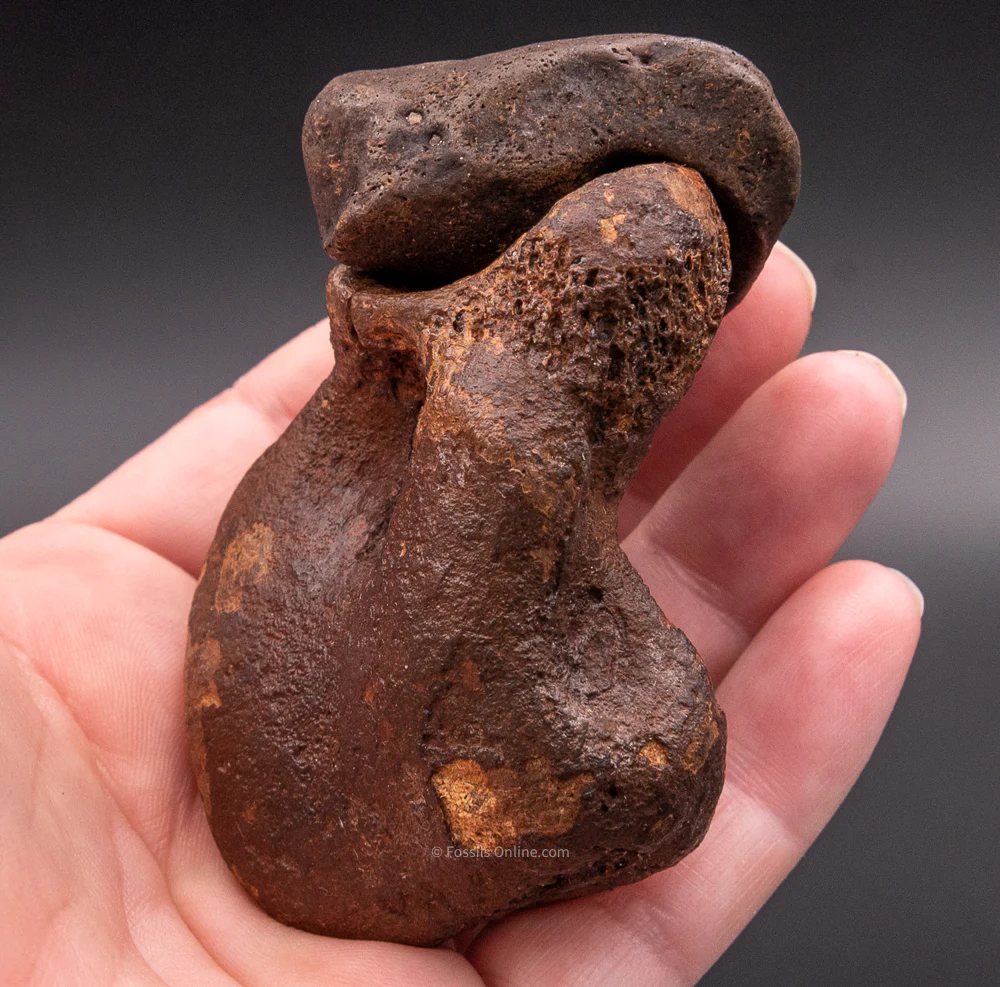
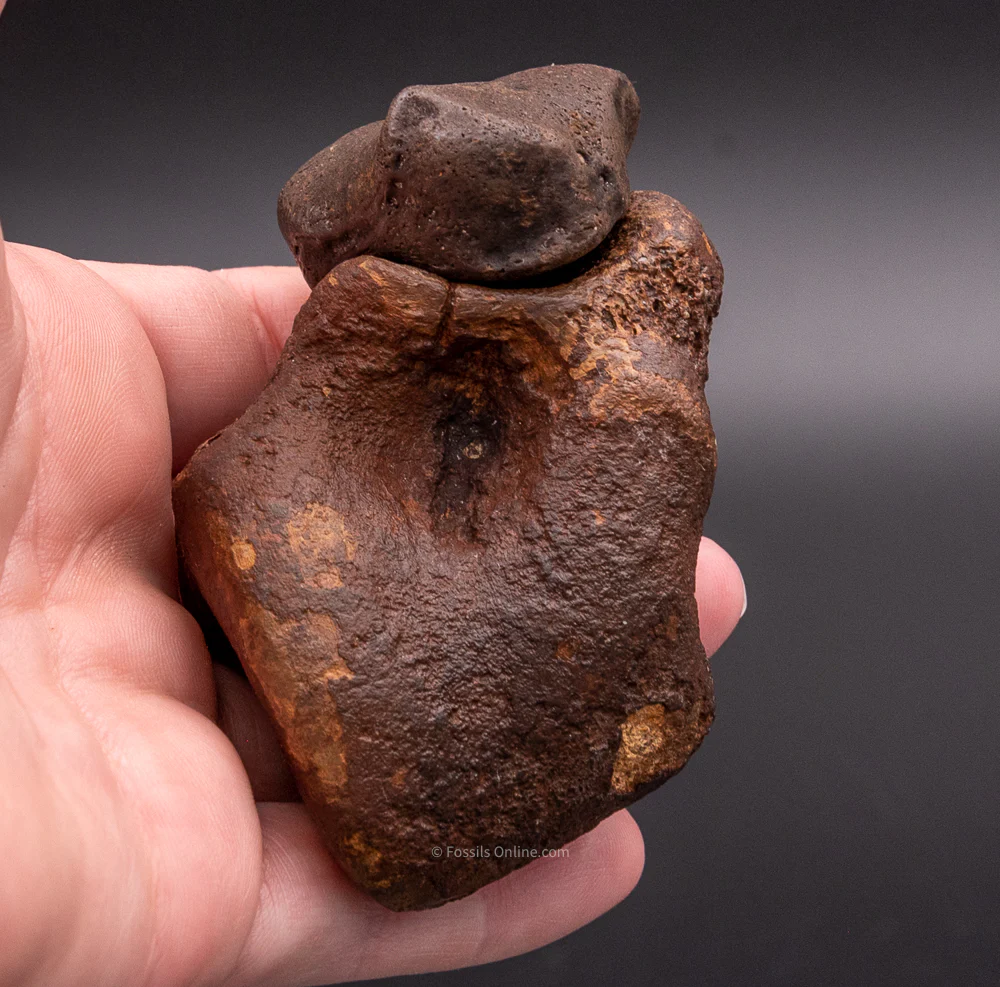
Rare ankle bones from the early Pleistocene sloth, Megalonyx leptostomus, are available in this set. Though not associated, they fit perfectly together and are highly mineralized with no signs of repair or restoration.
The Pleistocene sloth Megalonyx, a member of the ground sloths, was a remarkable and diverse genus that lived during the Pleistocene epoch, approximately 2.6 million to 11,700 years ago. This period was marked by glaciations and interglacial cycles, which profoundly influenced the Earth's ecosystems.
Physical Description: Megalonyx species were large, ground-dwelling sloths, with the most famous species, Megalonyx jeffersonii, reaching up to 3 meters (10 feet) in length. These sloths had robust bodies, strong, curved claws, and relatively short legs, suggesting adaptations for digging and potential defense mechanisms against predators.
Habitat and Location: The Megalonyx genus was predominantly found in North America, with a range extending from Alaska and Canada to possibly as far south as Central America. They inhabited diverse environments, from forests to open grasslands, indicating their versatility and adaptability.
Diet: As herbivores, the Megalonyx species primarily fed on leaves, twigs, and possibly fruits, with teeth adapted for grinding tough plant material.
Species Diversity:
- Megalonyx jeffersonii: The most well-known species, found across a wide range of North America.
- Megalonyx wheatleyi: A smaller species, with less known about its habits and range.
- Megalonyx leptostomus: Identified by its slender and elongated skull, found in the southwestern United States.
- Megalonyx curvidens: Distinguished by its curved teeth, with fossils discovered in South America.
- Megalonyx mathisi: Known from Central America, indicating the genus's adaptability to tropical environments.
Extinction: Megalonyx, along with many other Pleistocene megafauna, became extinct during the Quaternary extinction event, coinciding with the end of the last Ice Age and possibly influenced by the arrival of humans in North America. The exact causes of their extinction are still debated, involving factors like climate change and human activities.
In summary, the Megalonyx genus was a significant part of the Pleistocene megafauna in the Americas. Their adaptation to various habitats, dietary preferences, and the differences among species highlight the ecological diversity of this period. Their extinction left a notable impact on the ecosystems they once inhabited
Details & Craftsmanship
Every detail has been carefully considered to bring you the perfect product.
Details & Craftsmanship
Every detail has been carefully considered to bring you the perfect product.
Details & Craftsmanship
Every detail has been carefully considered to bring you the perfect product.
Description
Rare ankle bones from the early Pleistocene sloth, Megalonyx leptostomus, are available in this set. Though not associated, they fit perfectly together and are highly mineralized with no signs of repair or restoration.
The Pleistocene sloth Megalonyx, a member of the ground sloths, was a remarkable and diverse genus that lived during the Pleistocene epoch, approximately 2.6 million to 11,700 years ago. This period was marked by glaciations and interglacial cycles, which profoundly influenced the Earth's ecosystems.
Physical Description: Megalonyx species were large, ground-dwelling sloths, with the most famous species, Megalonyx jeffersonii, reaching up to 3 meters (10 feet) in length. These sloths had robust bodies, strong, curved claws, and relatively short legs, suggesting adaptations for digging and potential defense mechanisms against predators.
Habitat and Location: The Megalonyx genus was predominantly found in North America, with a range extending from Alaska and Canada to possibly as far south as Central America. They inhabited diverse environments, from forests to open grasslands, indicating their versatility and adaptability.
Diet: As herbivores, the Megalonyx species primarily fed on leaves, twigs, and possibly fruits, with teeth adapted for grinding tough plant material.
Species Diversity:
- Megalonyx jeffersonii: The most well-known species, found across a wide range of North America.
- Megalonyx wheatleyi: A smaller species, with less known about its habits and range.
- Megalonyx leptostomus: Identified by its slender and elongated skull, found in the southwestern United States.
- Megalonyx curvidens: Distinguished by its curved teeth, with fossils discovered in South America.
- Megalonyx mathisi: Known from Central America, indicating the genus's adaptability to tropical environments.
Extinction: Megalonyx, along with many other Pleistocene megafauna, became extinct during the Quaternary extinction event, coinciding with the end of the last Ice Age and possibly influenced by the arrival of humans in North America. The exact causes of their extinction are still debated, involving factors like climate change and human activities.
In summary, the Megalonyx genus was a significant part of the Pleistocene megafauna in the Americas. Their adaptation to various habitats, dietary preferences, and the differences among species highlight the ecological diversity of this period. Their extinction left a notable impact on the ecosystems they once inhabited